Define what must be detected, then who must be notified.
An intrusion project is more than a panel and a few detectors. Start with entrances, schedules and the people present. Distinguish events to detect, areas that remain occupied and the expected response so equipment families can be compared against a precise brief.
This selection brief certifies no protection level and includes no monitoring or response service. Fire detection needs a separate assessment; an alarm feature alone does not validate it.
From detector to acknowledgement
+
1 · Identify the event
Name points to assess: stockroom door, corridor, office or external entrance. Describe the event to detect and normal situations that should not become alerts.
2 · Assign zones
Physical inputs, zones and partitions serve distinct roles: connection, monitored-point identification and grouping for separate management. Their counts are not interchangeable; verify capacity and expanders for the exact panel.
3 · Define warnings
For each event, ask which warning device and transmission channel are planned and who receives it. Clarify dependencies: power, network access, mobile service or application.
4 · Organise follow-up
Identify who reviews the event and what should happen next. A technical notification does not prove that someone will attend; any response service must be defined separately.
Include schedules, entrances, areas occupied at night, pets and routine movement. Describe desired home, night and away situations without assuming every system provides modes with those names.
02
Equipment inventory
List panel, detectors, keypads, sirens and communicators with their references. Separate retained equipment from new devices; proposed compatibility still requires confirmation before offline ordering.
03
Testing and follow-up
Request a test record for each point, tested recipients and the procedure for replacing power components. Name the access and follow-up owner without submitting alarm codes or passwords in the project.
What still needs on-site validation
+
A plan prepares selection; it does not establish radio-link quality, cable condition or detector behaviour in its environment. Record observations, tests and outstanding issues before acceptance.
Keep intrusion, access and fire separate in the brief. If coordination is required, specify the event and expected action; request interface validation rather than inferring compatibility from a logo, range name or shared application.
Questions before requesting a quote
+
Is a kit enough for my premises?
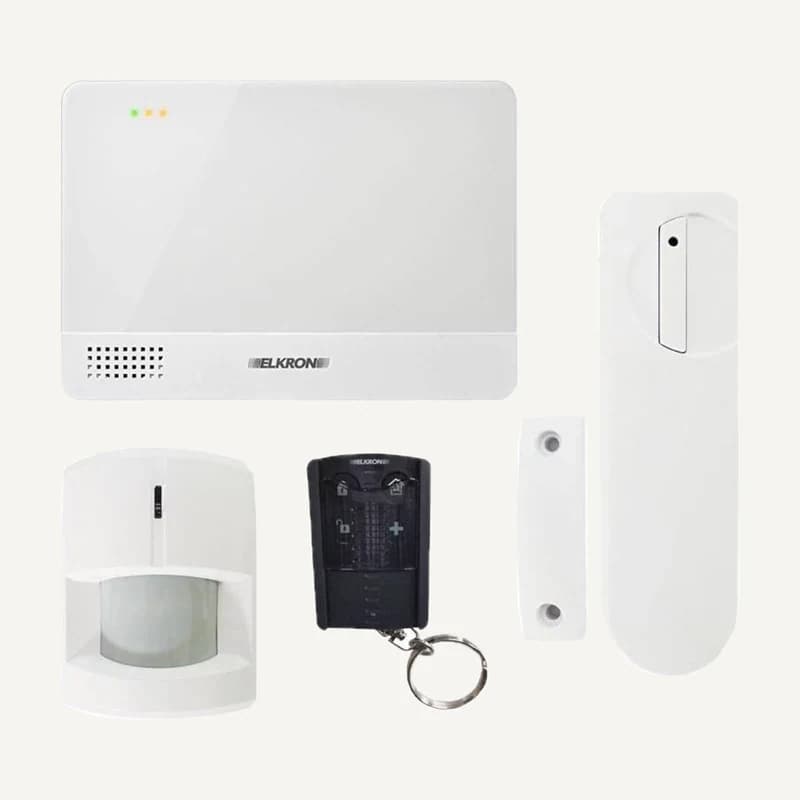
Compare its exact contents with the plan: untreated points, controls, transmission, mounting and power items. The number of detectors in a box does not prove the site is adequately addressed.
How do I request partial night-time use?
Mark occupied areas, permitted routes and points to monitor on the plan. Confirm what the chosen panel can support and request a scenario test with the operator.
Reading references, not kit validation: citing a manufacturer implies neither a commercial partnership nor compatibility of all products. External links; no documents rehosted.
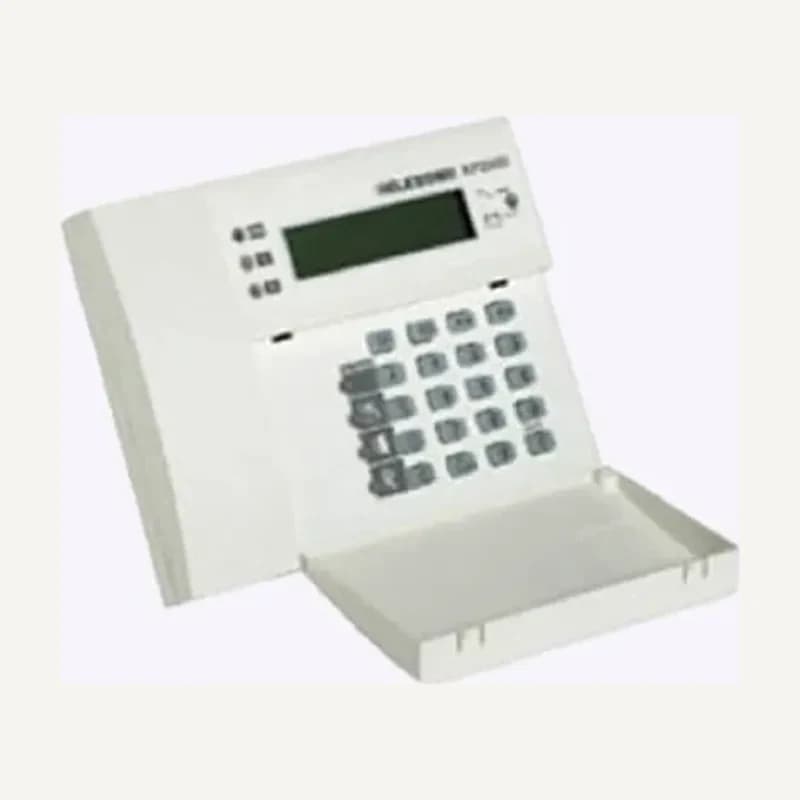
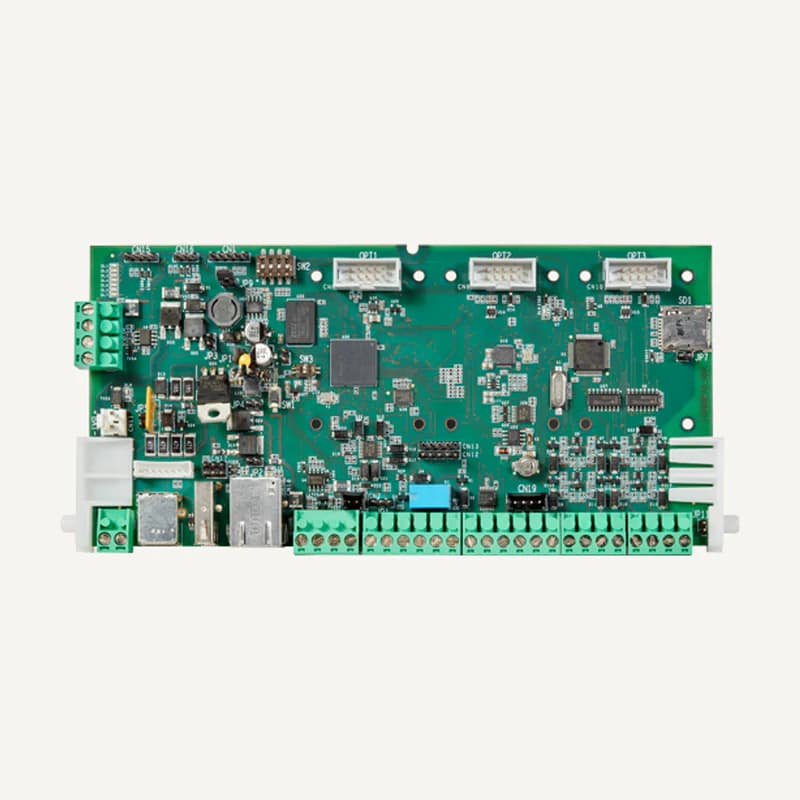
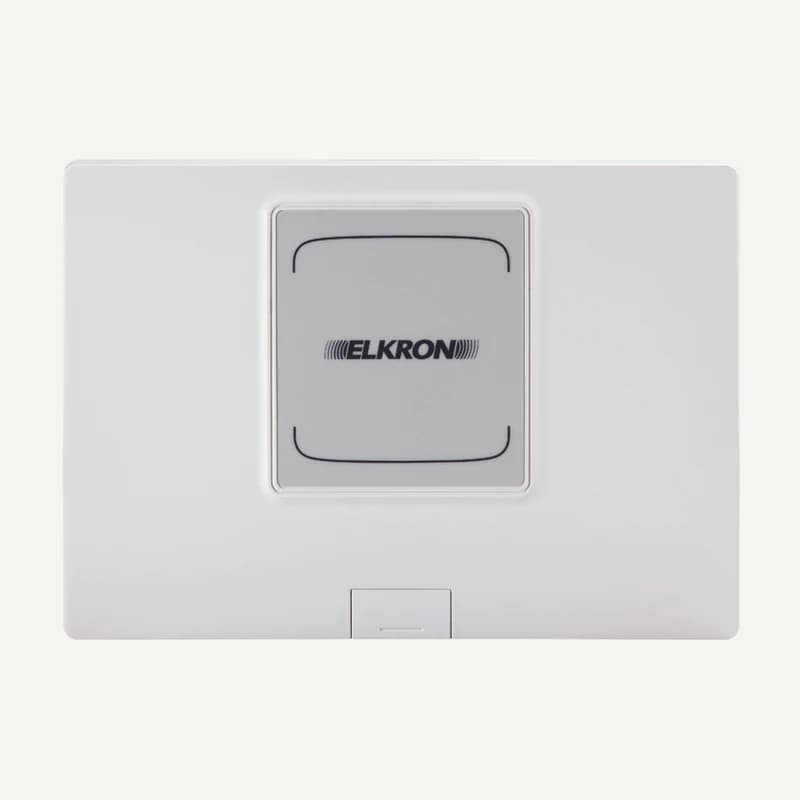
Inventory reference KP100D by Elkron, catalogued under Alarms and security. Compatibility and final configuration are confirmed during the project study.
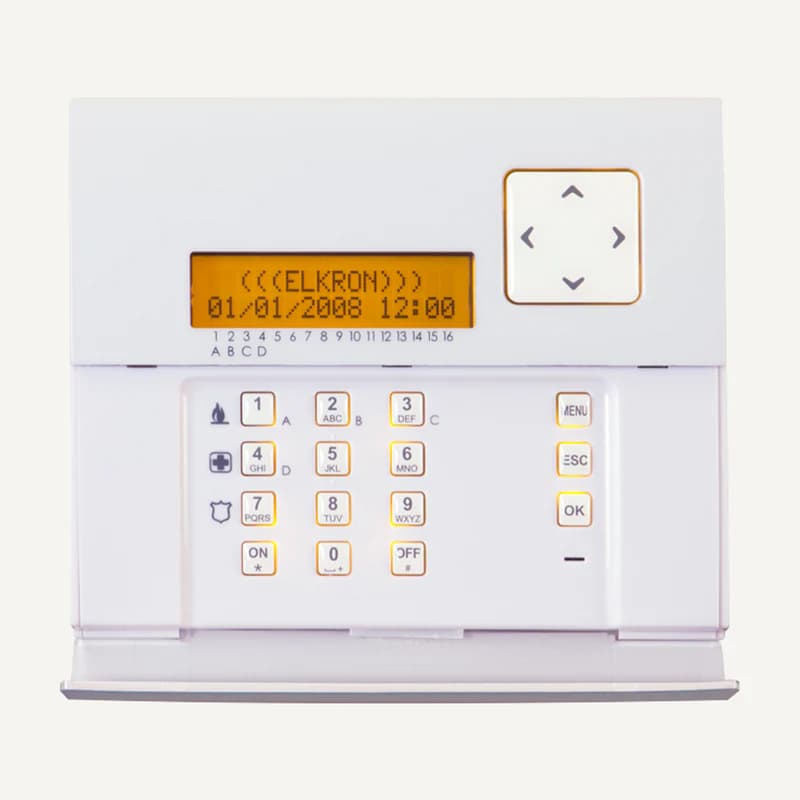
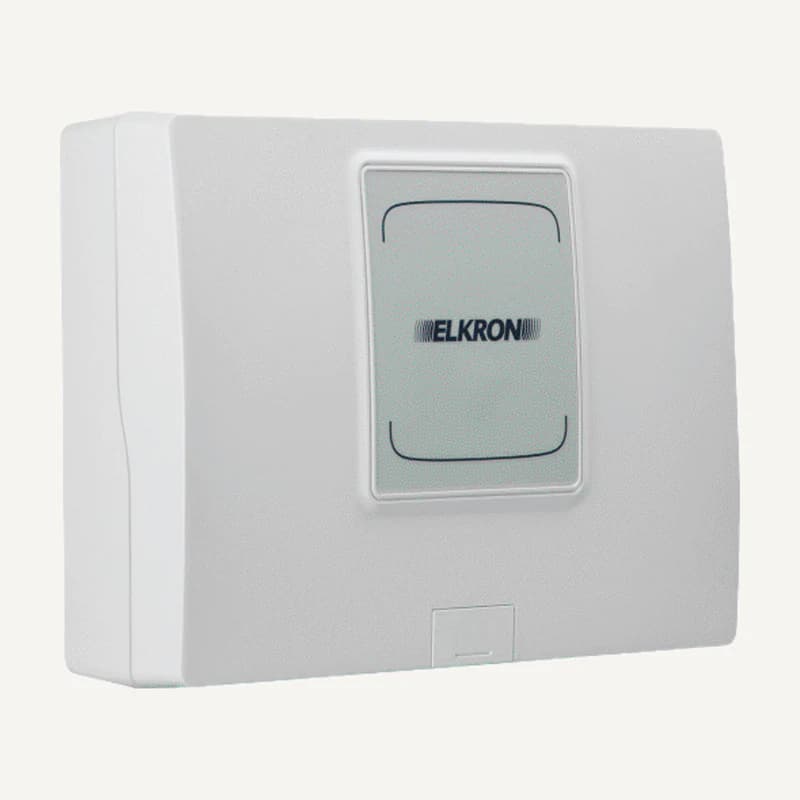
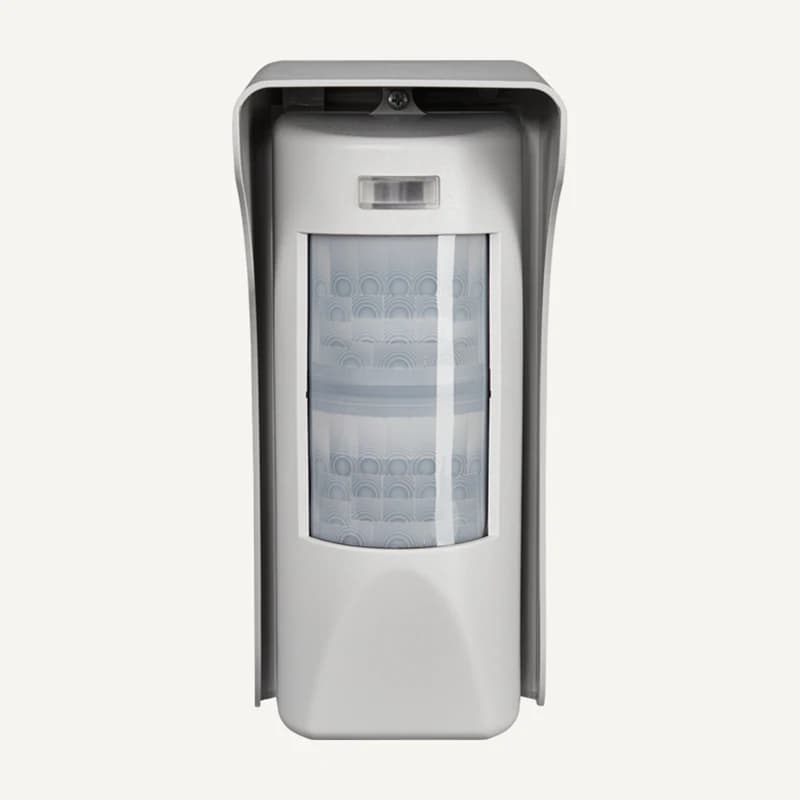
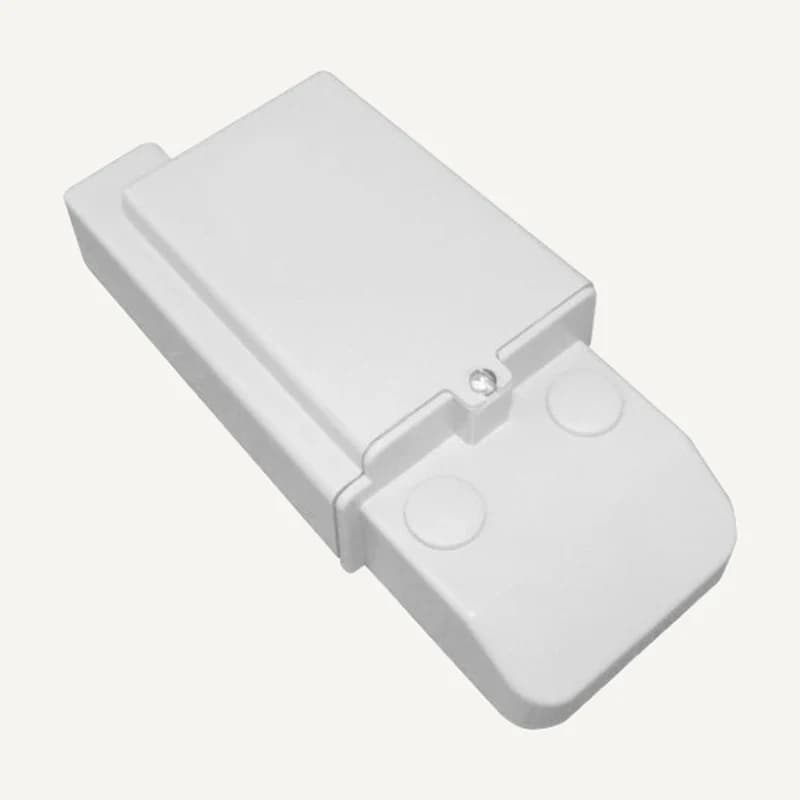
Inventory reference KP500DV/N by Elkron, catalogued under Alarms and security. Compatibility and final configuration are confirmed during the project study.
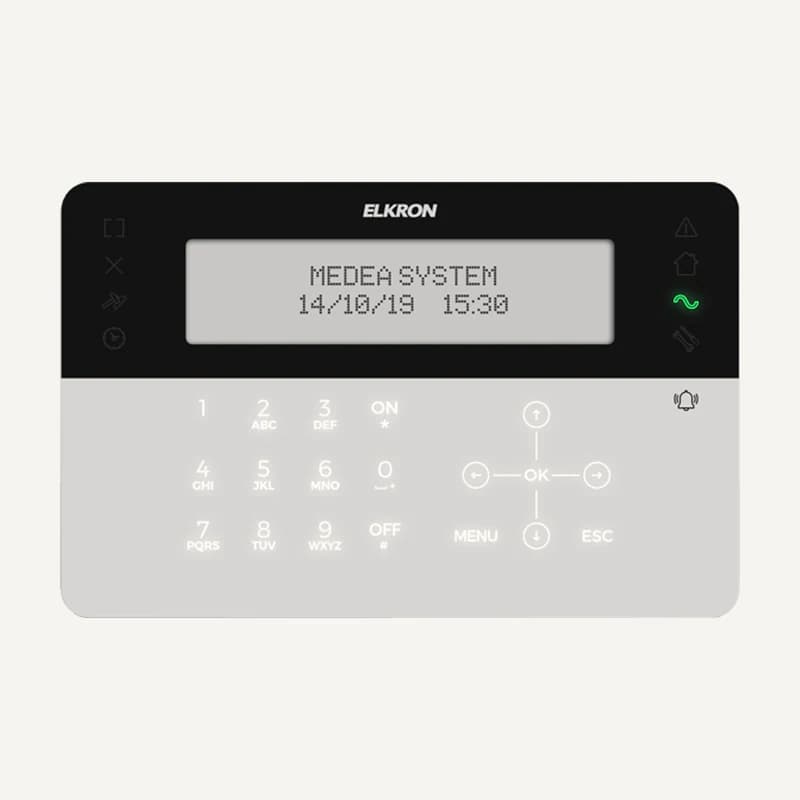
Inventory reference MP500/4 by Elkron, catalogued under Alarms and security. Compatibility and final configuration are confirmed during the project study.

 ↗
↗ ↗
↗ ↗
↗ ↗
↗ ↗
↗ ↗
↗ ↗
↗ ↗
↗ ↗
↗ ↗
↗ ↗
↗ ↗
↗ ↗
↗ ↗
↗ ↗
↗ ↗
↗ ↗
↗ ↗
↗ ↗
↗