Lighting, shading and comfort can share controls while having different constraints. Start by describing what triggers an action, what must actually change and how the user takes control again. The catalogue includes several technologies; their references do not automatically form a compatible system.
Guidance for defining functions and equipment selection. No universal protocol, savings percentage or offline operation is promised for an unverified reference. Safety and security systems retain their own responsibilities.
From request to confirmed result
+
1 · Define the input
Name the event and room, whether triggered by a button, sensor, schedule or supervisory control. “Close the living-room blinds” is more precise than “smart home”. Specify who can start or interrupt the request.
2 · Configure communication
In KNX, functions are linked through project configuration. Wired bus, radio and IP are different media; interfaces or couplers must be appropriate. Connecting devices to the same network does not perform the integration.
3 · Match the actuator
Distinguish switching, dimming, motor control and climate interfaces. Request references and characteristics of existing loads. An available relay alone does not establish that a motor, light or climate unit can be controlled that way.
4 · Verify and take control
Separate a sent command, reported state and physically measured position. Record available feedback and expected behaviour after manual intervention. A display must not show “closed” solely because closing was requested.
On small screens, scroll the table to compare all three columns.
Topic
Choice to specify
Check before quotation
Building
New construction / occupied renovation
Available routes, panels and retained equipment
Transport
Bus, radio, IP and any gateways
Exact protocol, exposed functions, configuration
Operation
Local / remote / automatic control
Internet, server and user-account dependencies
User feedback
Request / confirmation / measurement
Available sensors and state shown when uncertain
Write a scenario that can be tested
+
01
Room by room
List lighting circuits, motors, sensors and retained controls. For each function, record the desired outcome and exception: an occupied office should not be treated as an empty room during a general departure scene.
02
Degraded operation
Ask what remains usable when Internet, a server or a link is unavailable. Distinguish confirmed local functions from those dependent on an external service; do not infer independence from a protocol logo.
03
Project handover
Specify who holds access, configuration backups and modification rights. Request a list of tested scenarios, user settings and remaining limits. Separate equipment purchase, programming, installation and support.
Interoperability: verify the function, not just the logo
+
The KNX references below explain an architecture example and the role of configuration. They do not mean every product here uses KNX or that a gateway exposes every device function. Protocol, version and required function still need to be checked together.
A comfort scenario does not replace dedicated fire, intrusion or mechanical-safety logic. A “leaving” brief must not assume it can reset a fire alarm or make a gate safe. Any safety interface requires separate validation by competent responsible parties.
Illustrative example: on departure, request lights off in empty areas, retain the occupied office and allow manual control. For every action, specify the actual feedback available and expected test. This is not a completed client project or a compatibility promise for your equipment.
Can I start with a few functions?
Yes: prepare an initial scope and a list of desired extensions. Have physical reserves, interfaces and possible licences checked now. Future expansion is a design assumption to document, not an automatically available capability.
Reading references, not kit validation: citing a manufacturer implies neither a commercial partnership nor compatibility of all products. External links; no documents rehosted.
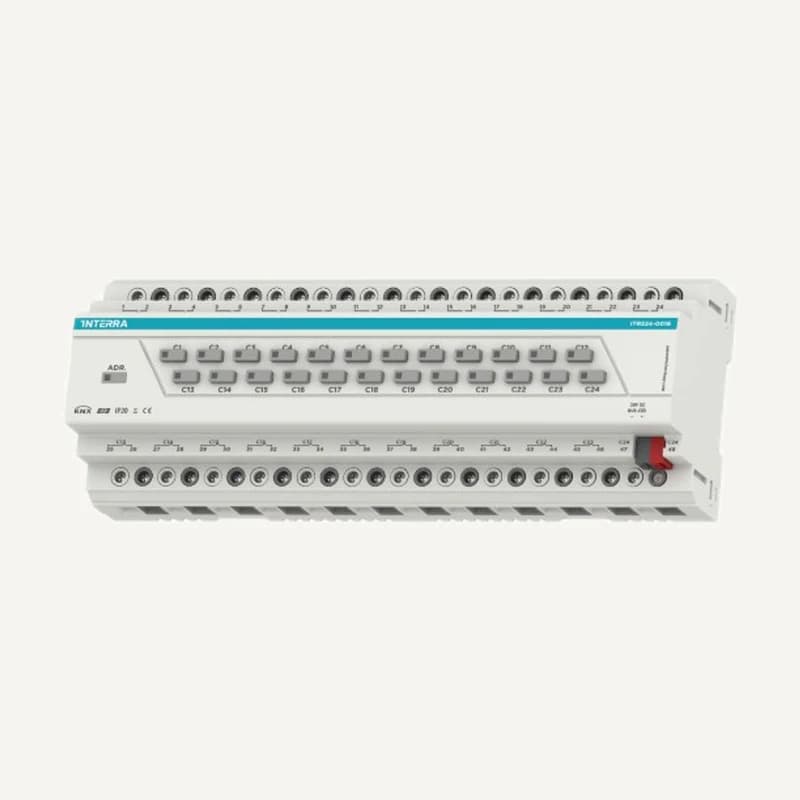
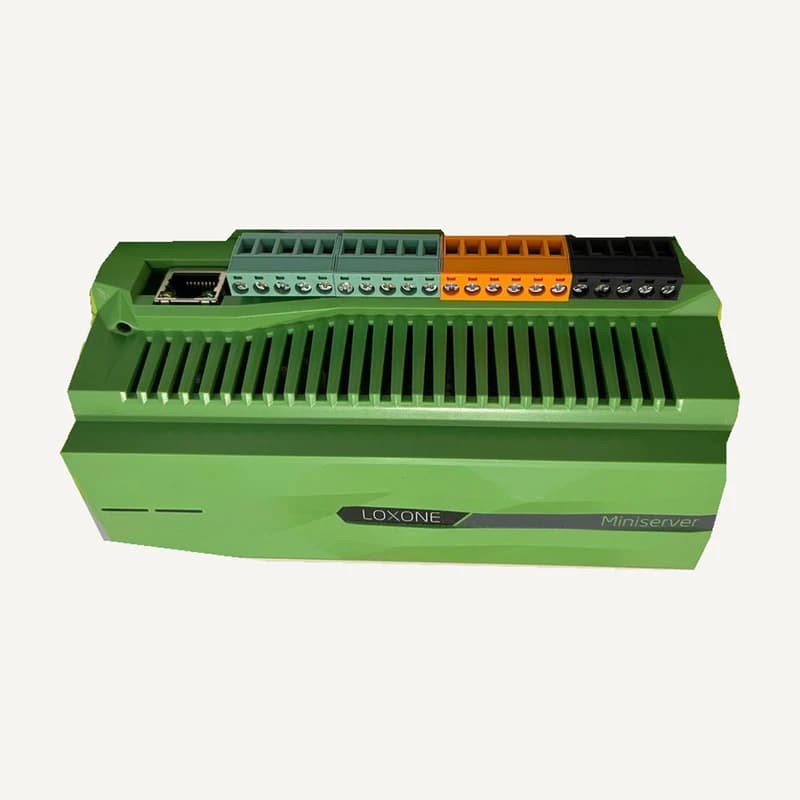
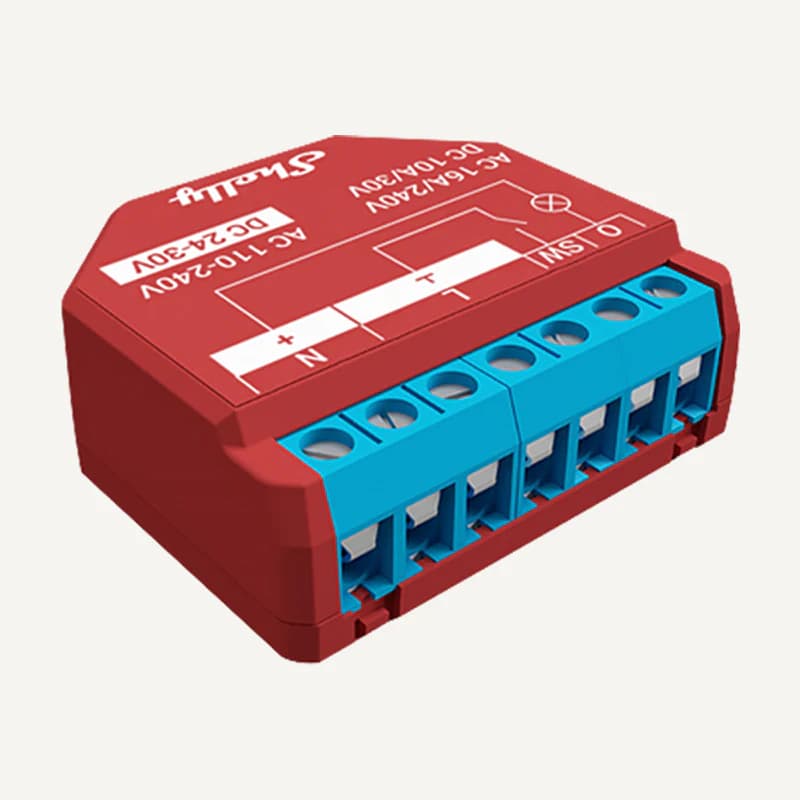
Inventory reference ITR524-16A by Interra, catalogued under Smart building control. Compatibility and final configuration are confirmed during the project study.
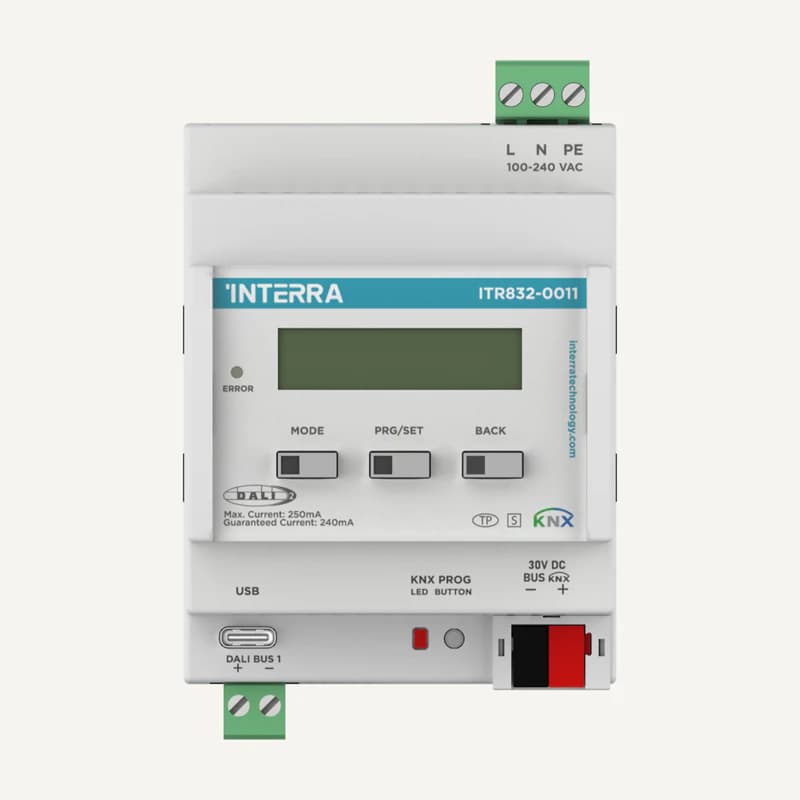
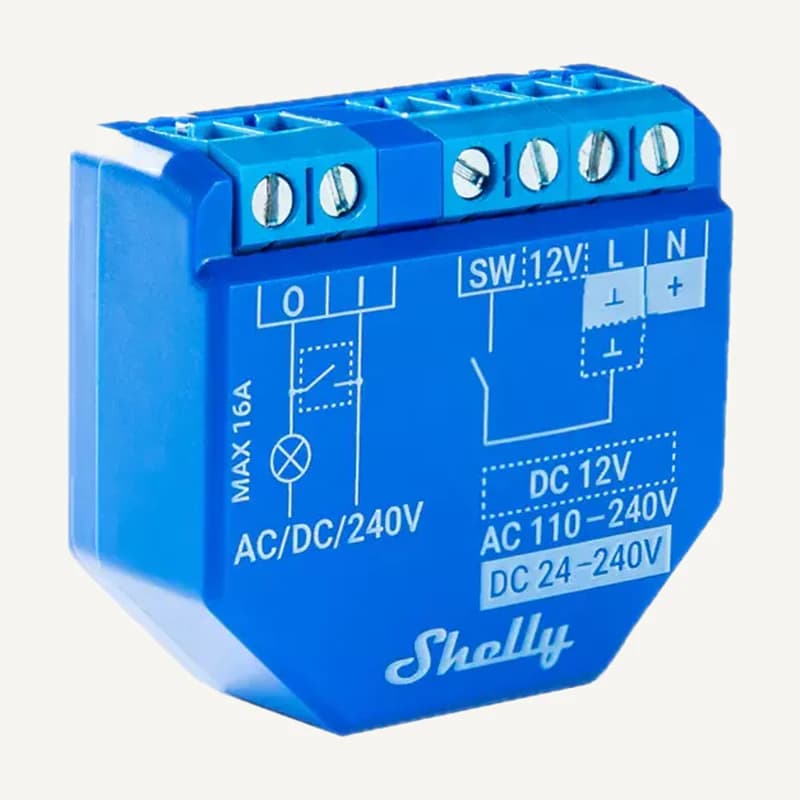
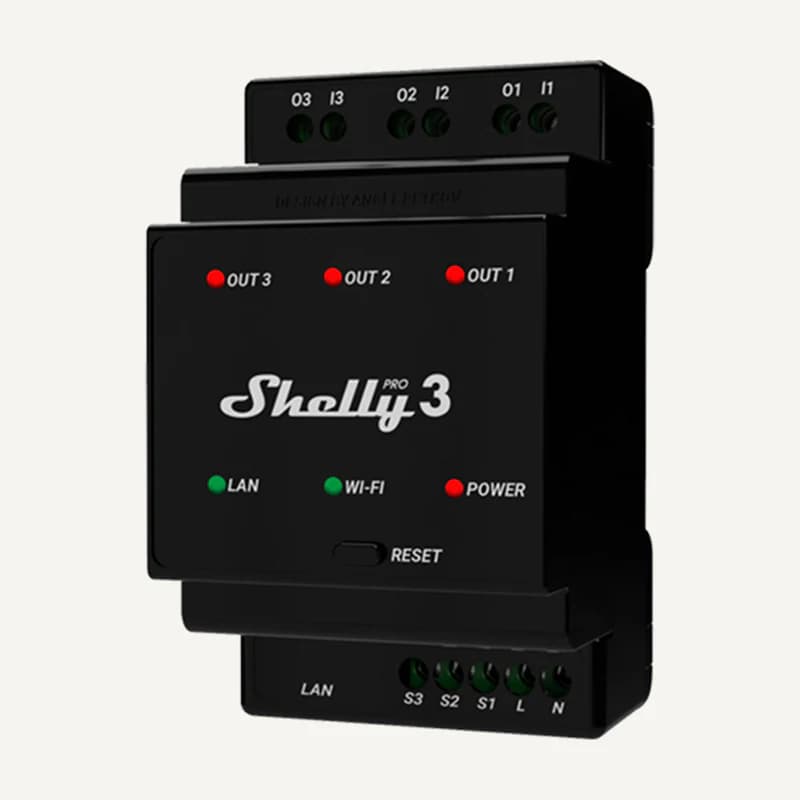
Inventory reference ITR832-001 by Interra, catalogued under Smart building control. Compatibility and final configuration are confirmed during the project study.
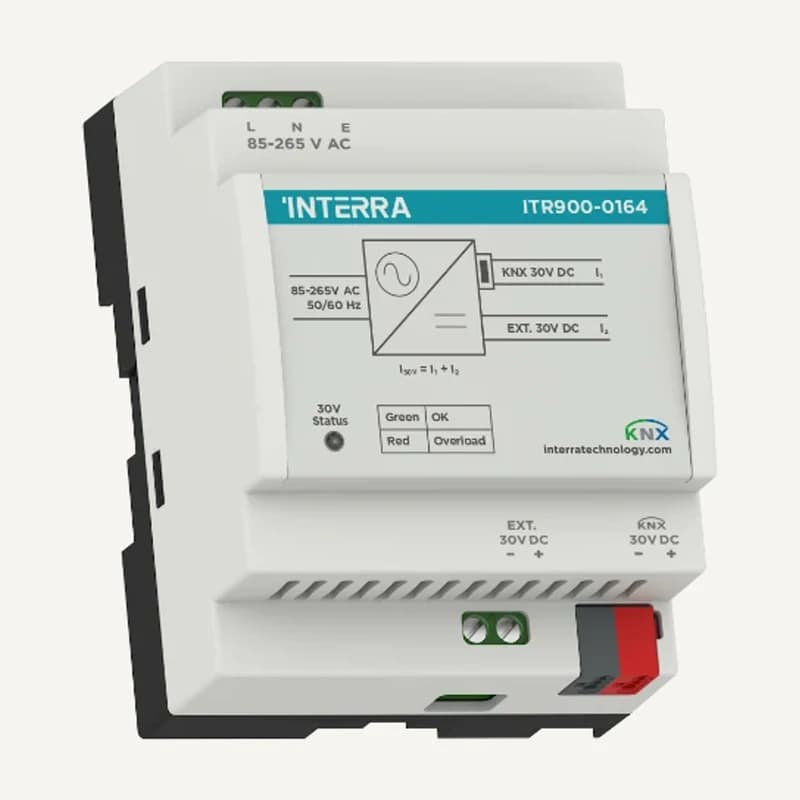
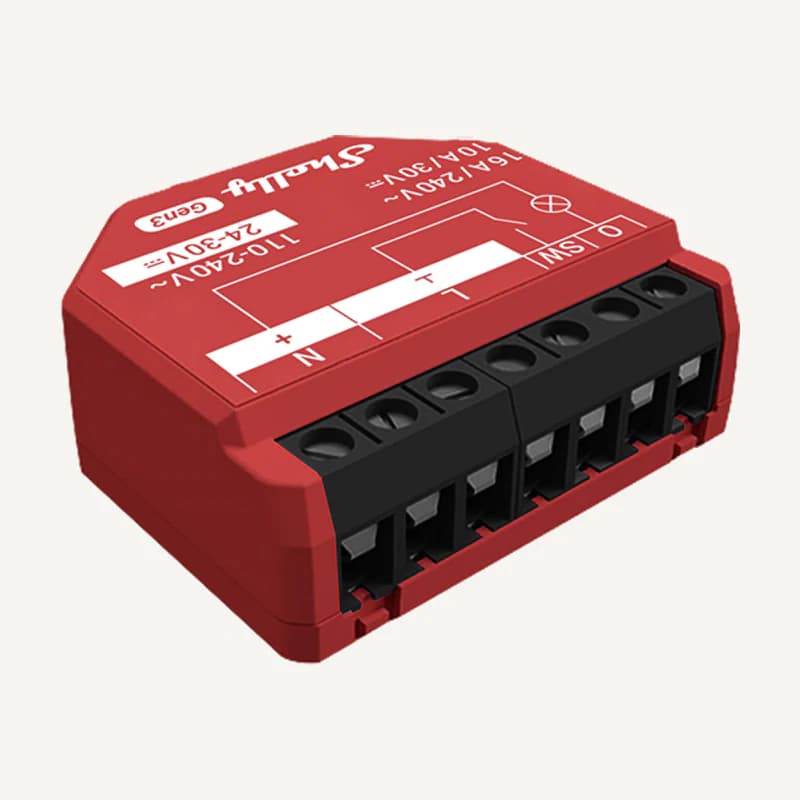
Inventory reference ITR900-164 by Interra, catalogued under Smart building control. Compatibility and final configuration are confirmed during the project study.

 ↗
↗ ↗
↗ ↗
↗ ↗
↗ ↗
↗ ↗
↗ ↗
↗ ↗
↗ ↗
↗ ↗
↗