
 ↗
↗Multi-brand selection3DC_45681-200IMC
3DC_45681-200IMC — Fire detection
Range illustration
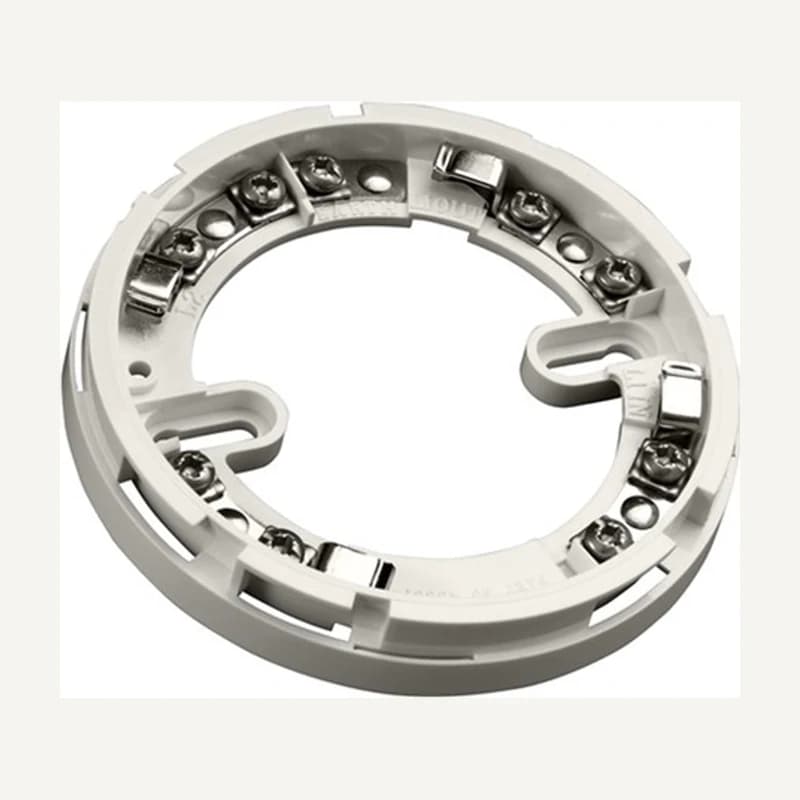
Mounting and connection interface for a compatible detector.
Professional terms after sign-in
Availability: On request
Category references
60 references in Fire detection.
60 referencesUNDERSTAND · COMPARE · PREPARE
A detection brief starts with the building, its occupants and an approved specification. This category brings together equipment families to review together; it is not a prevalidated kit. To prepare a quotation, distinguish detection, event location, warning and system operation.
Go to referencesCommercial selection guidance, not a fire-safety design. Sizing, applicable requirements and acceptance must be validated by competent professionals for the site. No installation certification is promised here.
Distinguish automatic detectors from manual call points. Specify the intended function and associated panel reference; a shared “fire” label does not prove two devices work together.
A conventional architecture identifies a zone; an addressable one can identify a device. A physical loop and a logical zone are different. Ask how the site plan will be reflected in event labels.
List detection and alarm-warning functions separately. Identify required warning devices, recipients and interfaces to validate rather than assuming a phone notification is sufficient.
The brief should state who receives information, handles faults and retains reports. Ask the design lead for power, inspection and maintenance requirements appropriate to the selected system.
On small screens, scroll the table to compare all three columns.
| Topic | Distinguish | Evidence to request |
|---|---|---|
| Location | Conventional zone / addressed device | Location plan and approved architecture |
| Detection | Function, environment, compatible family | Exact references, bases and compatibility list |
| Event | Fire alarm / technical fault | Description of indications and expected handling |
| Expansion | Planned addition / actual available capacity | Existing inventory and designer validation |
Attach plans, room uses, occupancy schedules and known constraints: dust, steam, temperature and ceiling access. Identify areas still needing study rather than assigning arbitrary coverage per detector.
Record panel, detector, base, module and warning-device references, with known versions. An apparently like-for-like replacement remains “to verify” until its exact model and compatibility are confirmed.
Separate supply, design, installation, commissioning and follow-up. Identify each responsible party, required documents and unresolved points. Inovexia helps prepare the equipment selection; a product quotation does not approve building safety.
The characteristics of one panel do not apply to the whole category. Verify zones, protocol, permitted devices and outputs against exact documentation. The sources below illustrate two architectures; they are not a model recommendation for your site.
Fire detection remains separate from intrusion and comfort scenarios. This brief provides no alarm-disable or reset procedure and does not propose replacing a dedicated system with a home-automation app. Any interfaces must be included in a validated design.
It can be a starting point, but flag undefined items: panel, bases, warnings, power, cabling and services. Attach an approved specification if available. Missing information must be identified, not replaced with an unstated assumption.
Do not infer this from connectors or appearance. Provide exact references and request documentary confirmation for the proposed combination. Without sufficient evidence, keep it marked as unvalidated in the quotation request.
Reading references, not kit validation: citing a manufacturer implies neither a commercial partnership nor compatibility of all products. External links; no documents rehosted.
Narrow by brand or family and compare up to four references. Missing facts still need confirmation.
↗Range illustration
Mounting and connection interface for a compatible detector.
Professional terms after sign-in
Availability: On request
 ↗
↗Range illustration
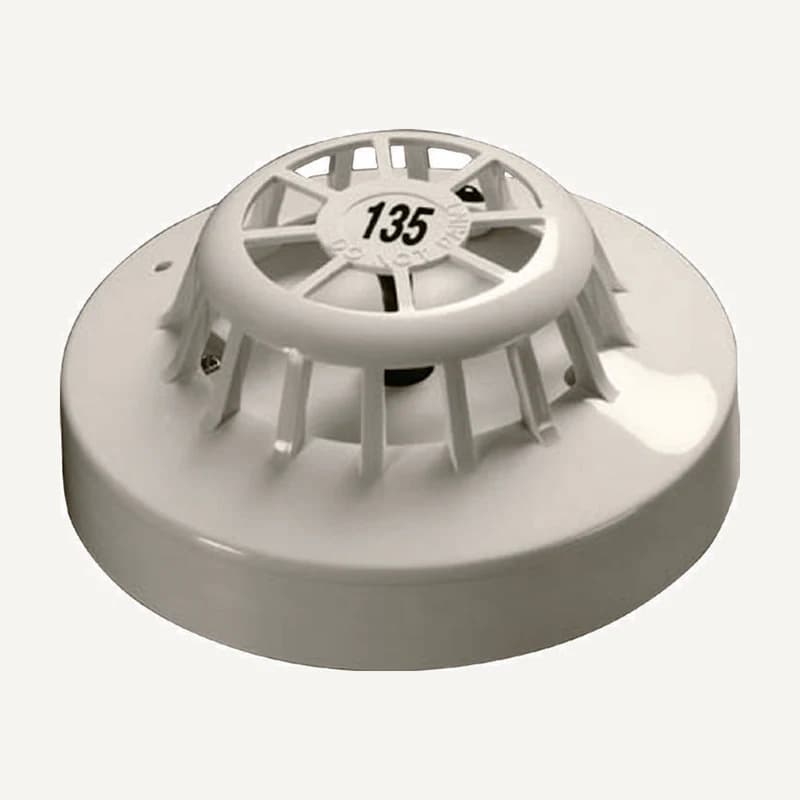
Heat detection selected for the panel and environment.
Professional terms after sign-in
Availability: On request
 ↗
↗Range illustration
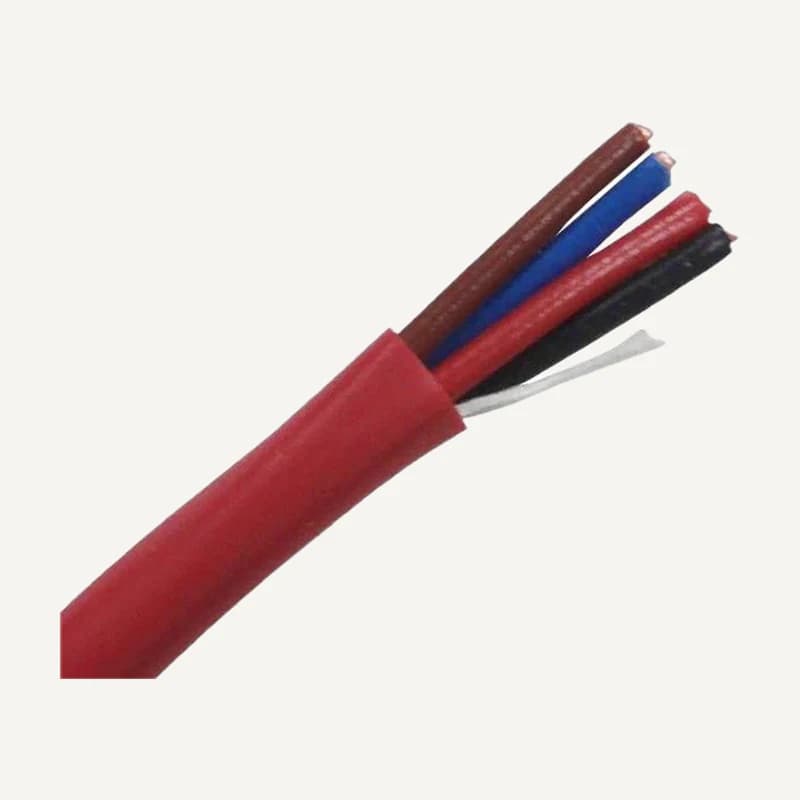
Cable described as CR1 in stock; performance evidence is required.
Professional terms after sign-in
Availability: On request
 ↗
↗Range illustration
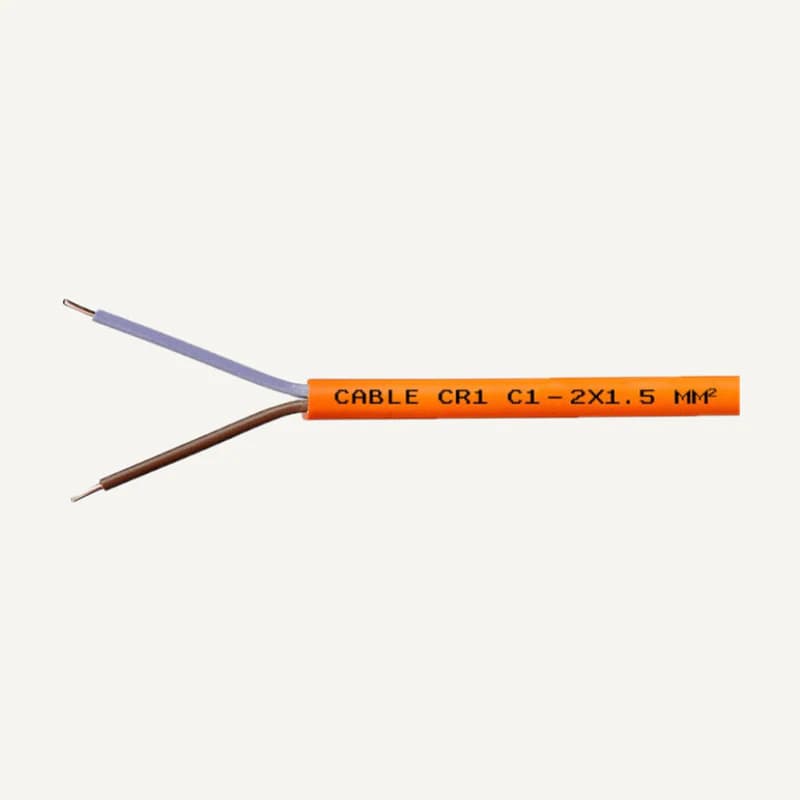
Cable described as CR1 in stock; performance evidence is required.
Professional terms after sign-in
Availability: On request
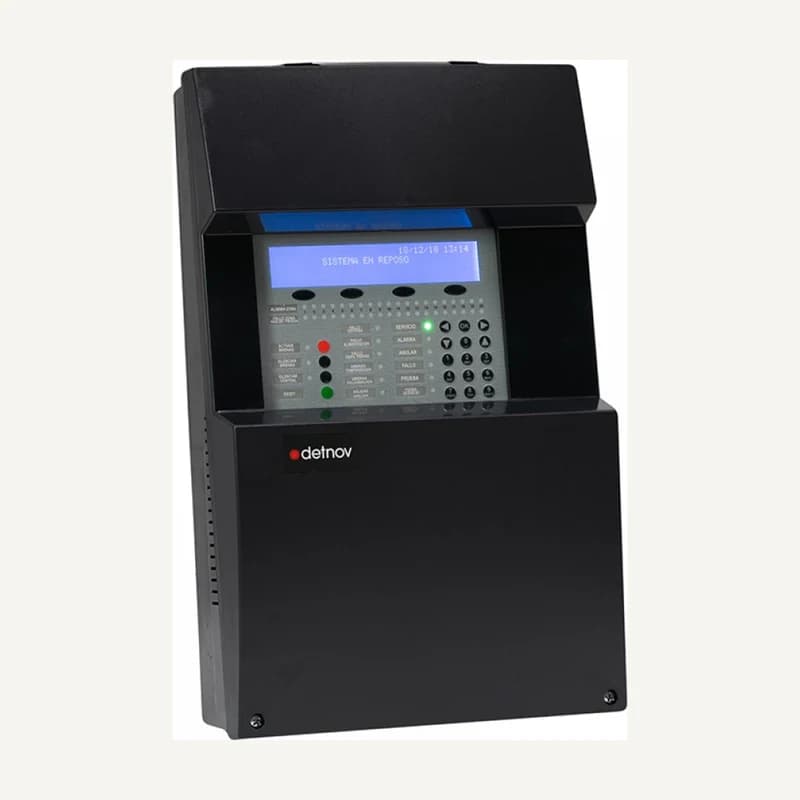 ↗
↗Addressable panel with one loop, automatic device discovery and two supervised sounder outputs.
Professional terms after sign-in
Availability: On request
 ↗
↗Addressable panel with two loops, automatic device discovery and two supervised sounder outputs.
Professional terms after sign-in
Availability: On request
 ↗
↗Range illustration
Cable described as CR1 in stock; performance evidence is required.
Professional terms after sign-in
Availability: On request
 ↗
↗Range illustration
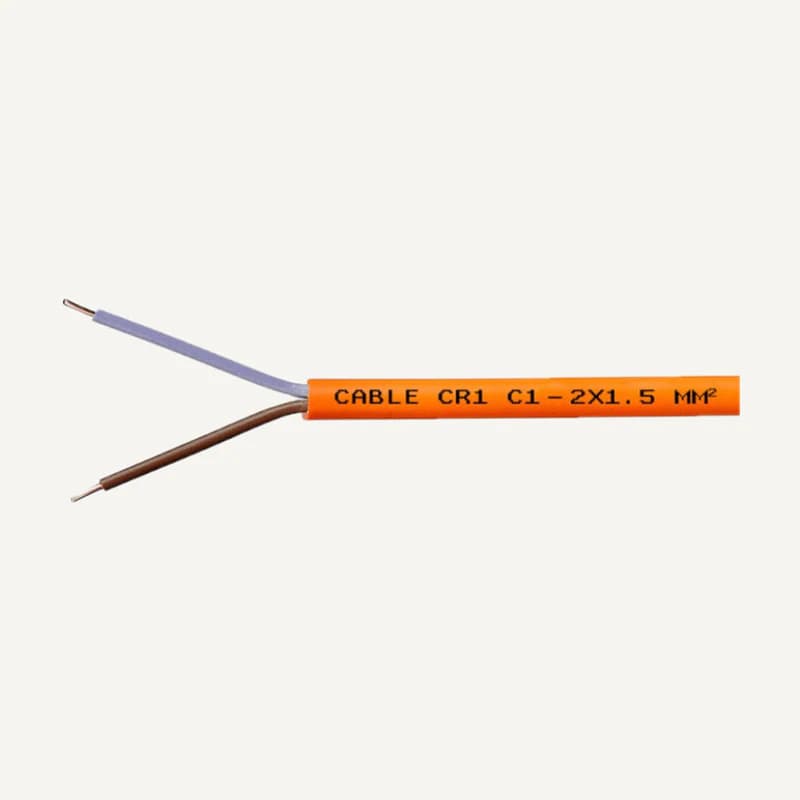
Cable described as CR1 in stock; performance evidence is required.
Professional terms after sign-in
Availability: On request
 ↗
↗Range illustration
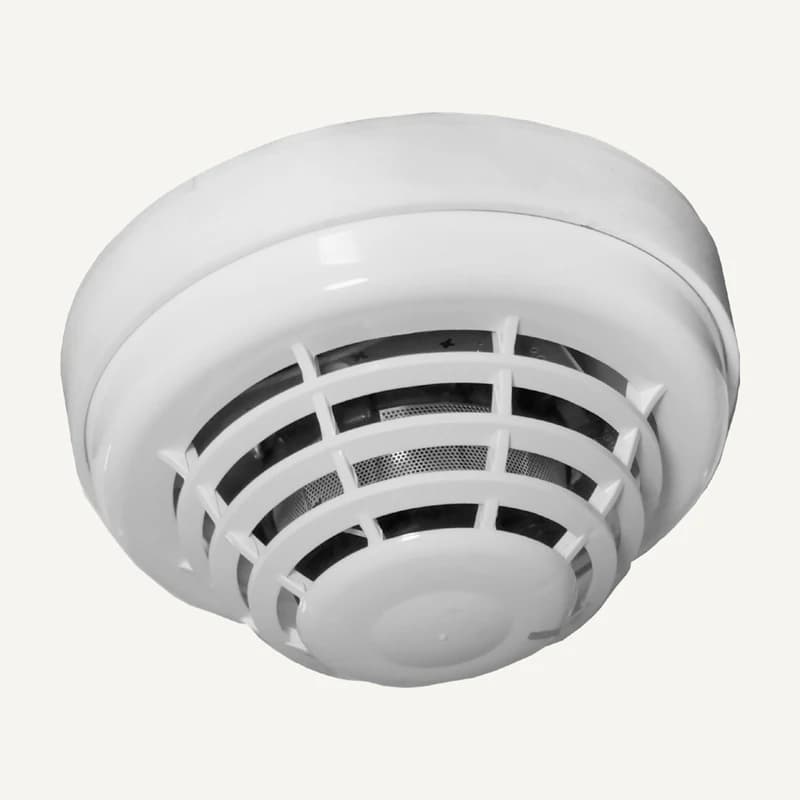
Smoke detection integrated with a compatible system.
Professional terms after sign-in
Availability: On request
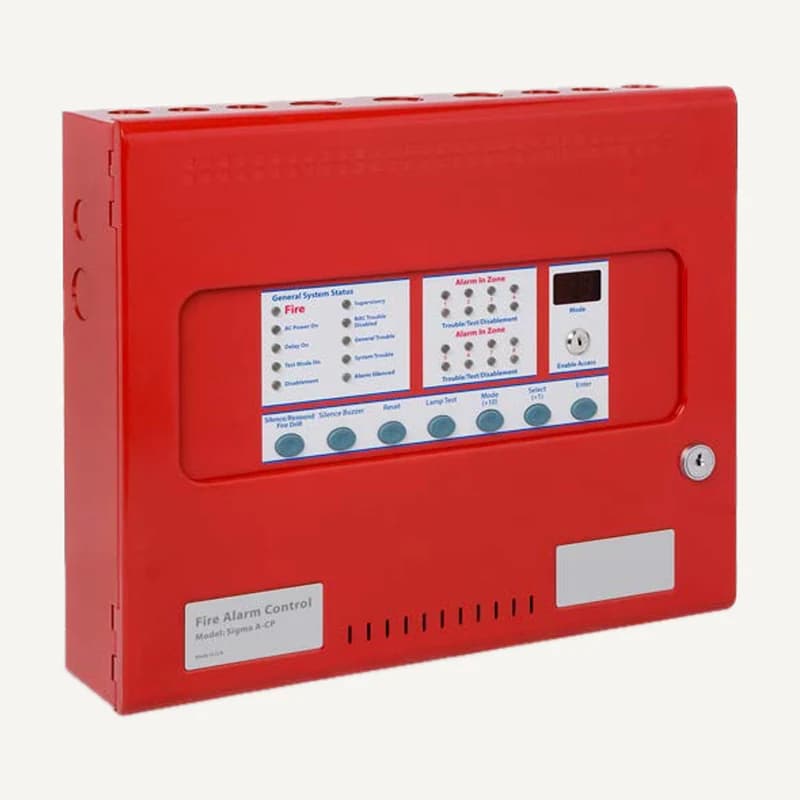 ↗
↗Monitors inputs and manages events in a compatible fire-detection system.
Professional terms after sign-in
Availability: On request
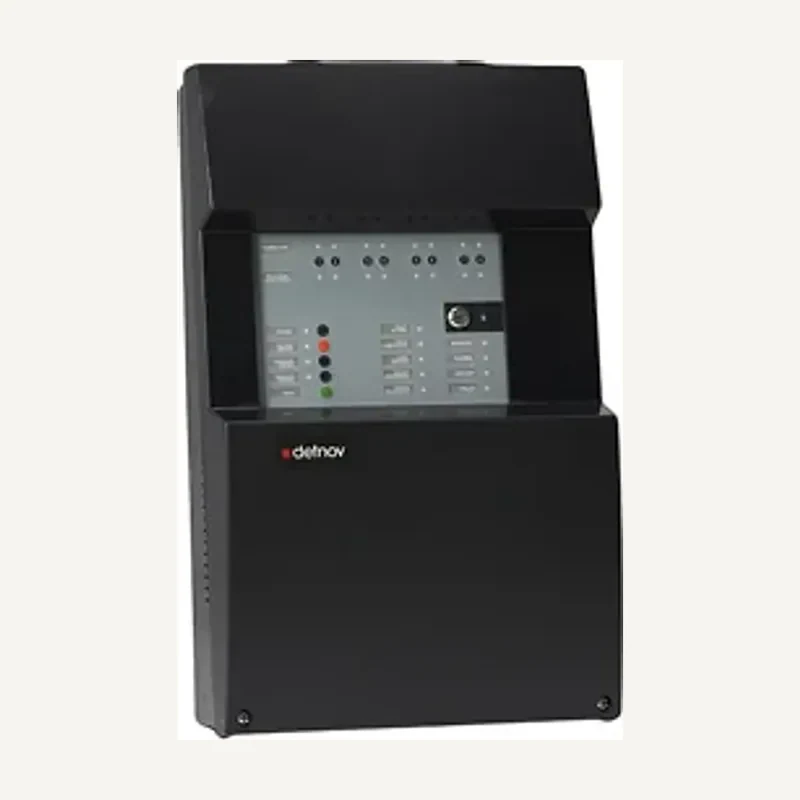 ↗
↗Monitors inputs and manages events in a compatible fire-detection system.
Professional terms after sign-in
Availability: On request
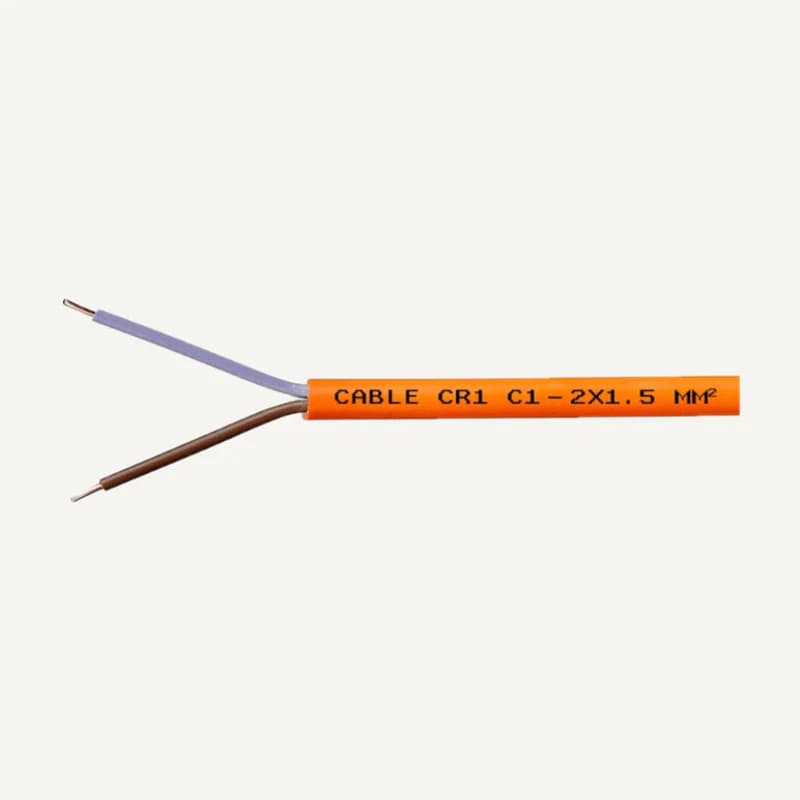 ↗
↗Range illustration
Cable described as CR1 in stock; performance evidence is required.
Professional terms after sign-in
Availability: On request
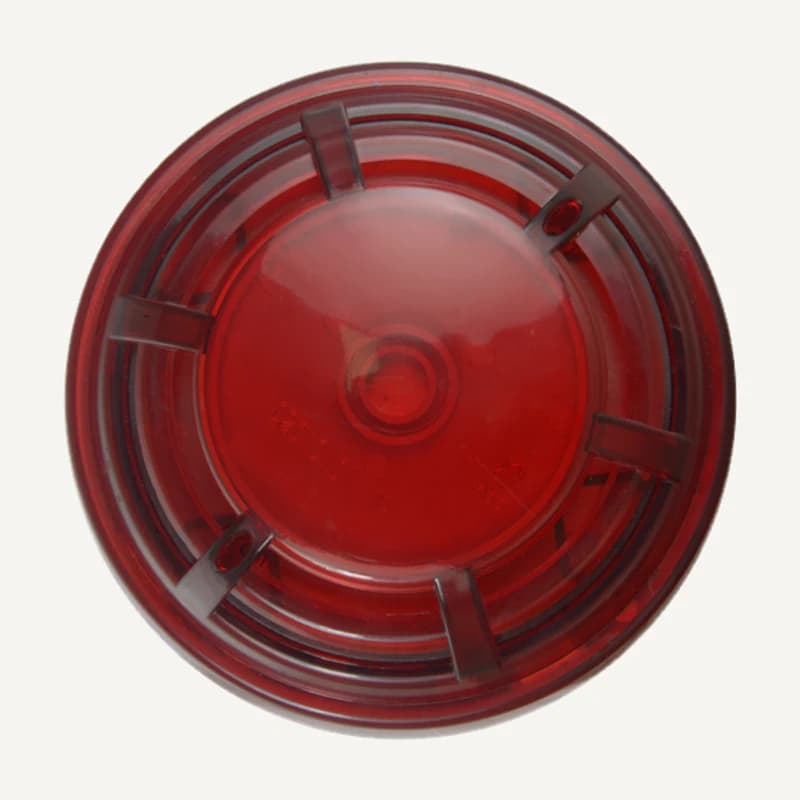 ↗
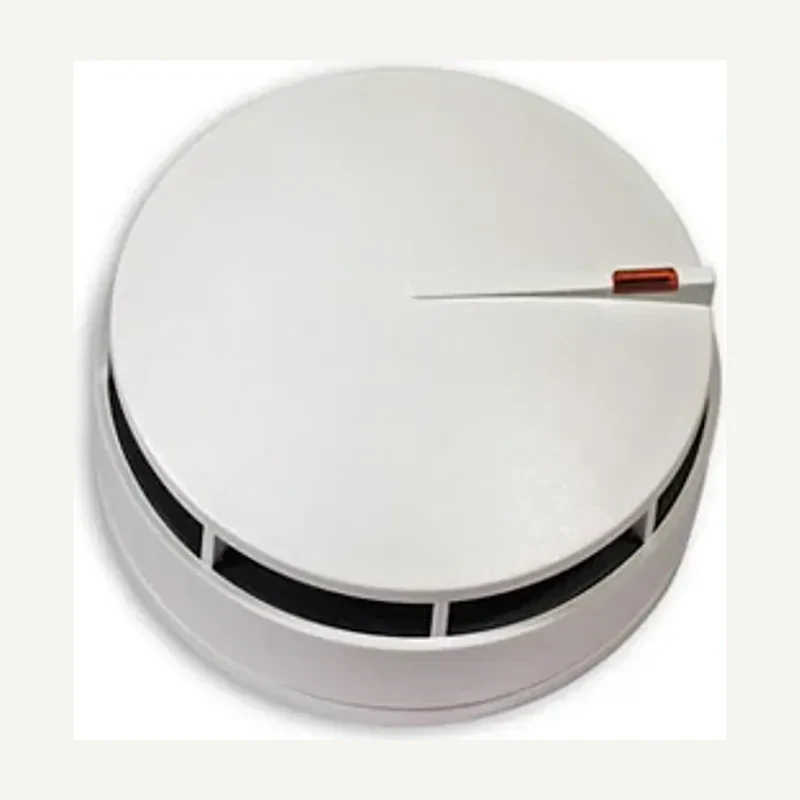
↗Audible or visual warning matched to the system and premises.
Professional terms after sign-in
Availability: On request
 ↗
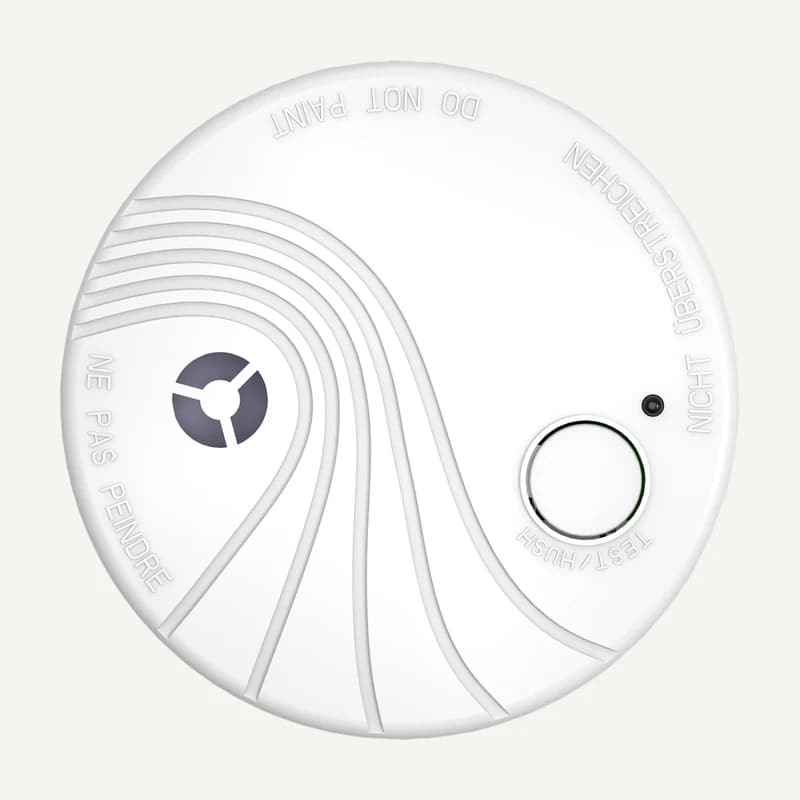
↗Smoke detection integrated with a compatible system.
Professional terms after sign-in
Availability: On request
 ↗
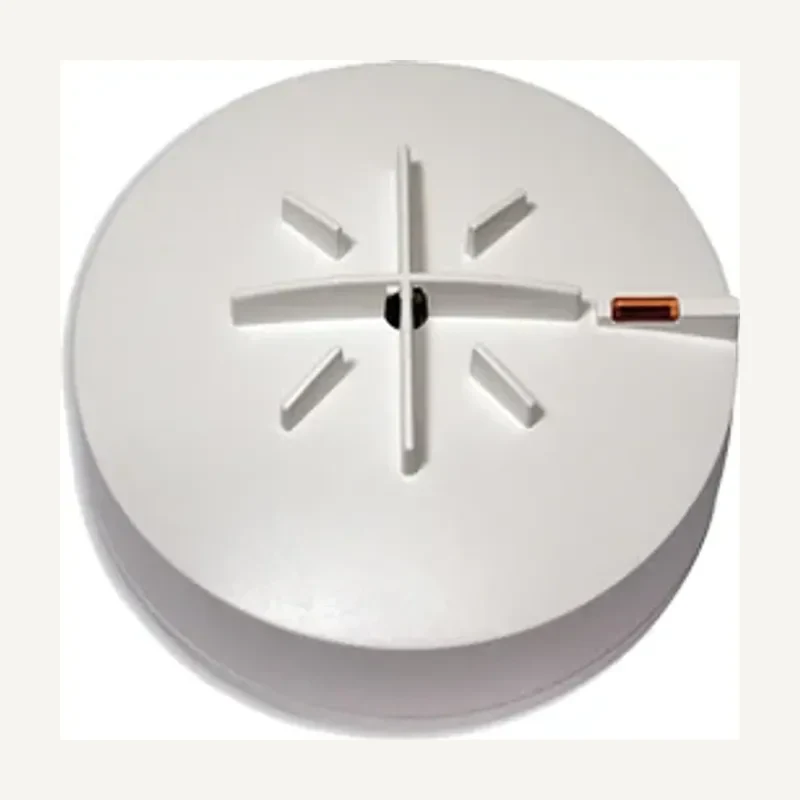
↗Photoelectric smoke detector for indoor ceiling mounting with two-way 433 MHz radio communication.
Professional terms after sign-in
Availability: On request
 ↗
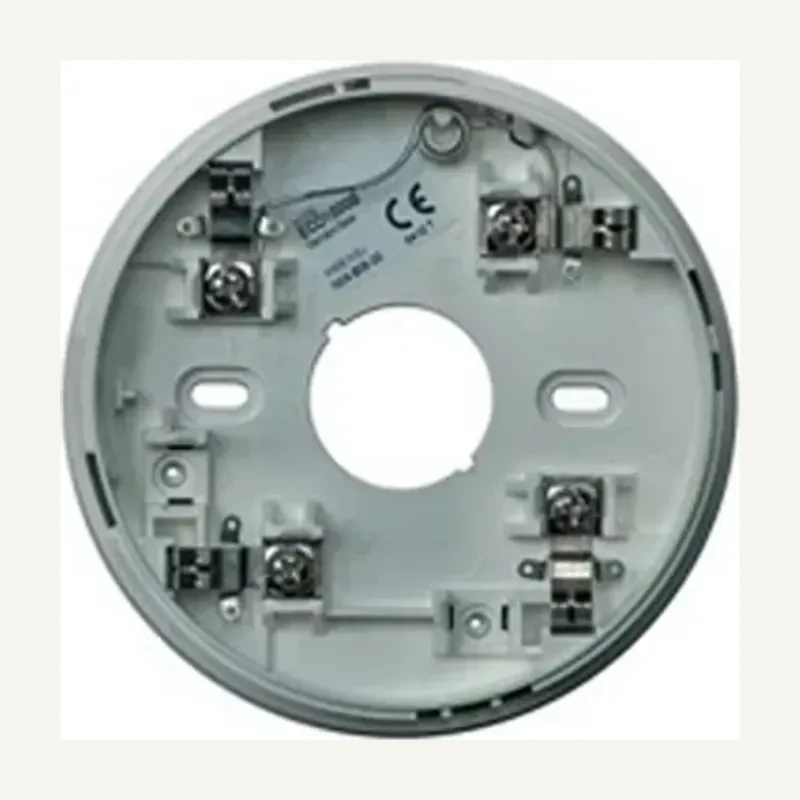
↗Heat detection selected for the panel and environment.
Professional terms after sign-in
Availability: On request
 ↗
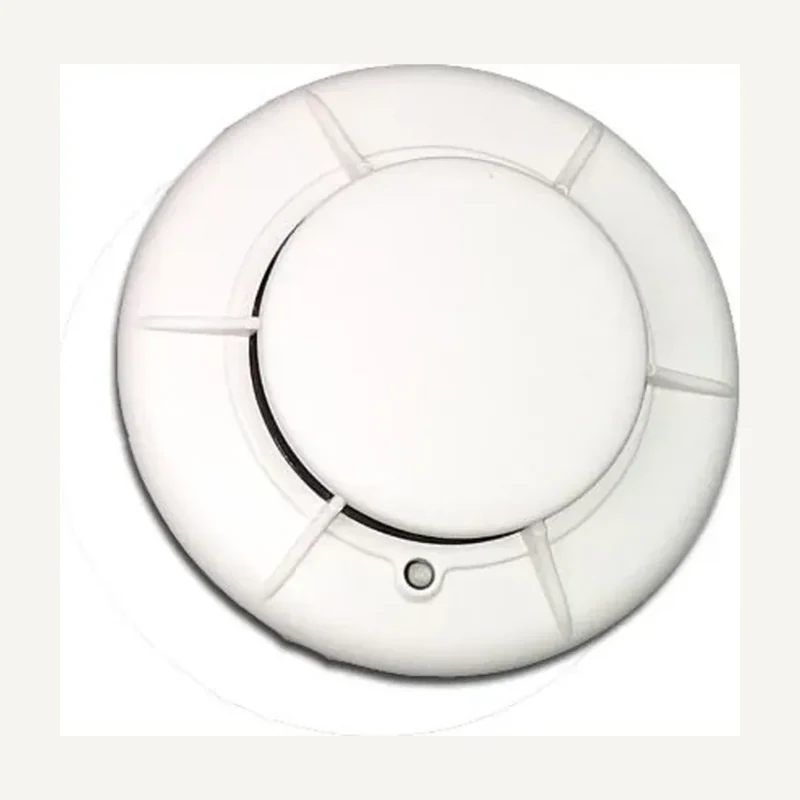
↗Standard base for the ECO1000 range of conventional detectors.
Professional terms after sign-in
Availability: On request
 ↗
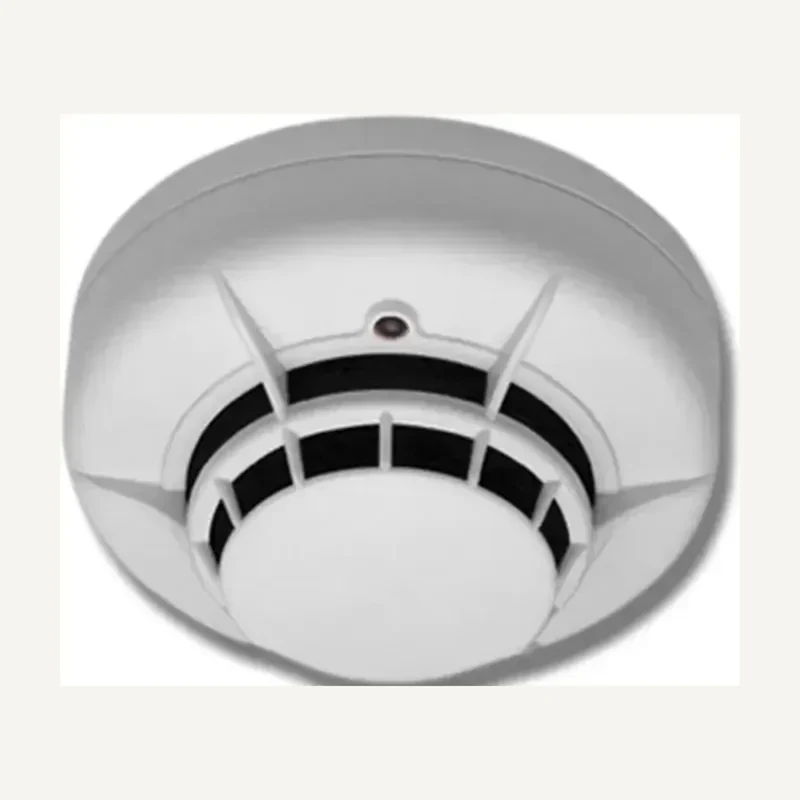
↗Smoke detection integrated with a compatible system.
Professional terms after sign-in
Availability: On request
 ↗
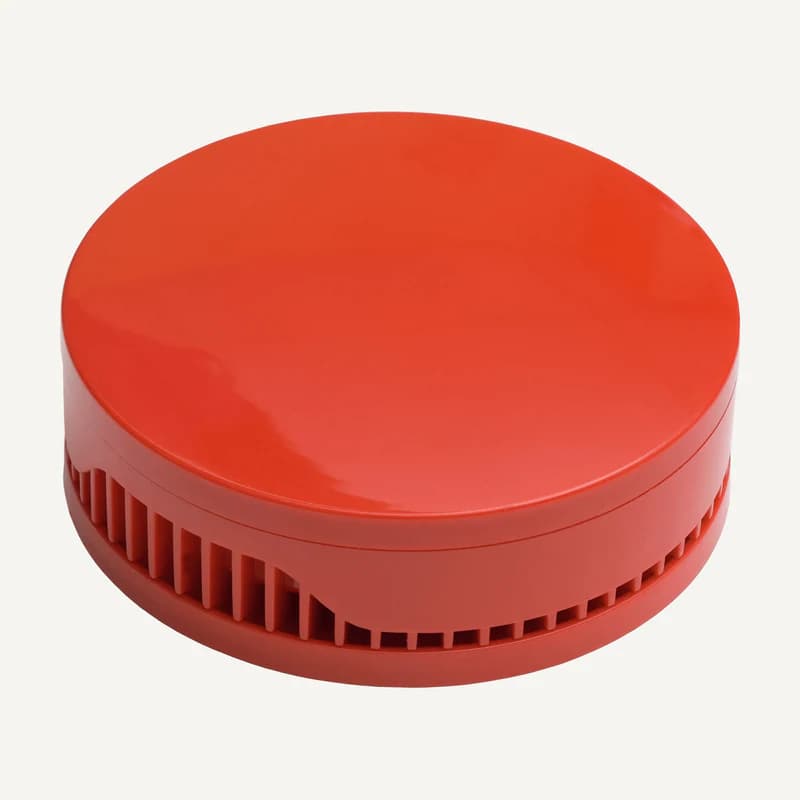
↗Heat detection selected for the panel and environment.
Professional terms after sign-in
Availability: On request
 ↗
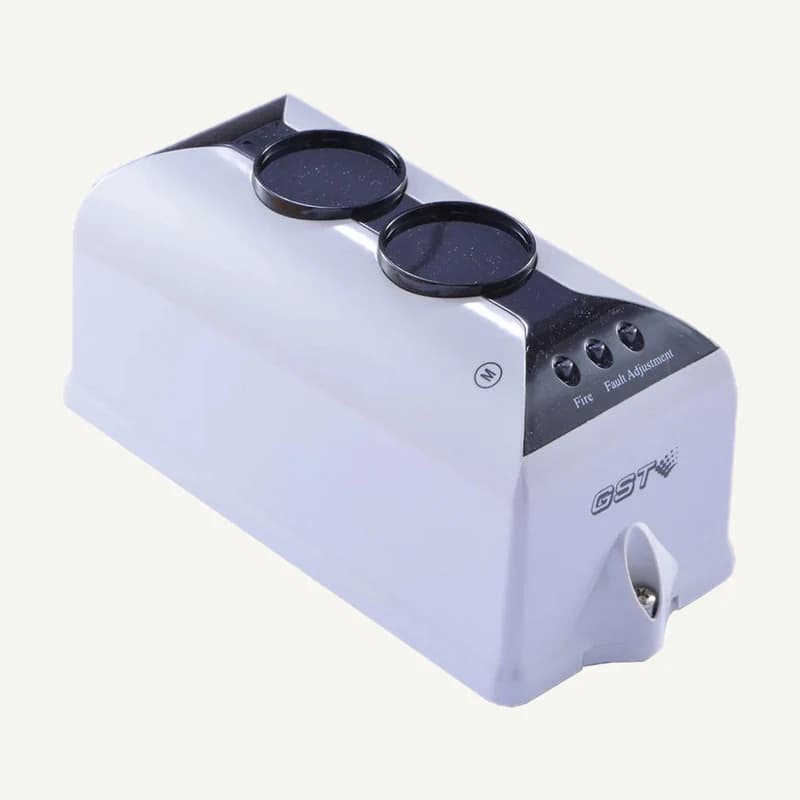
↗Audible or visual warning matched to the system and premises.
Professional terms after sign-in
Availability: On request
 ↗
↗Infrared beam smoke detection over an 8–100 m optical path, subject to installation conditions.
Professional terms after sign-in
Availability: On request
 ↗
↗Range illustration
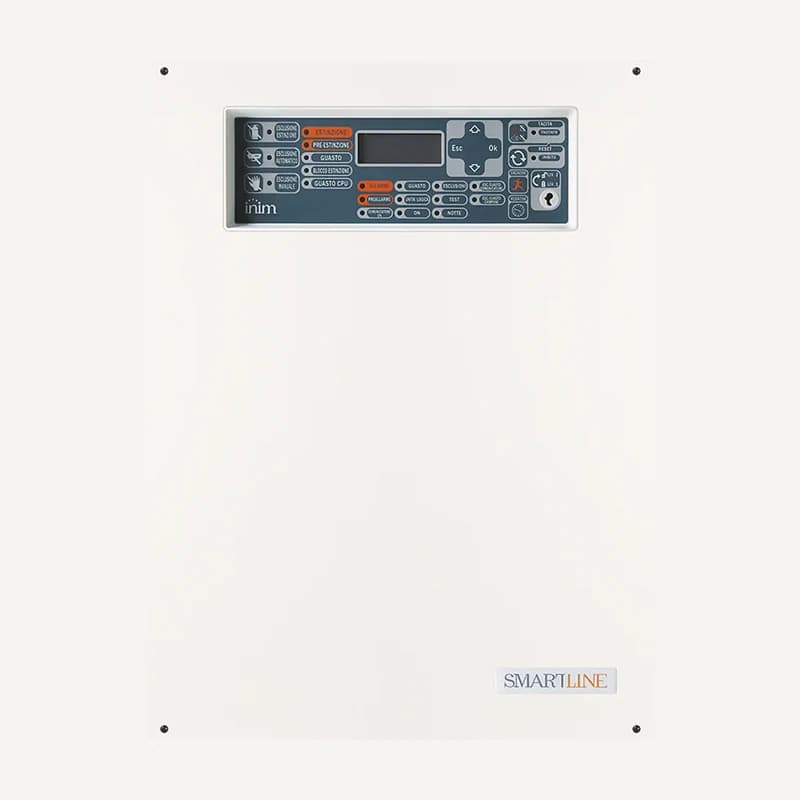
Monitors inputs and manages events in a compatible fire-detection system.
Professional terms after sign-in
Availability: On request
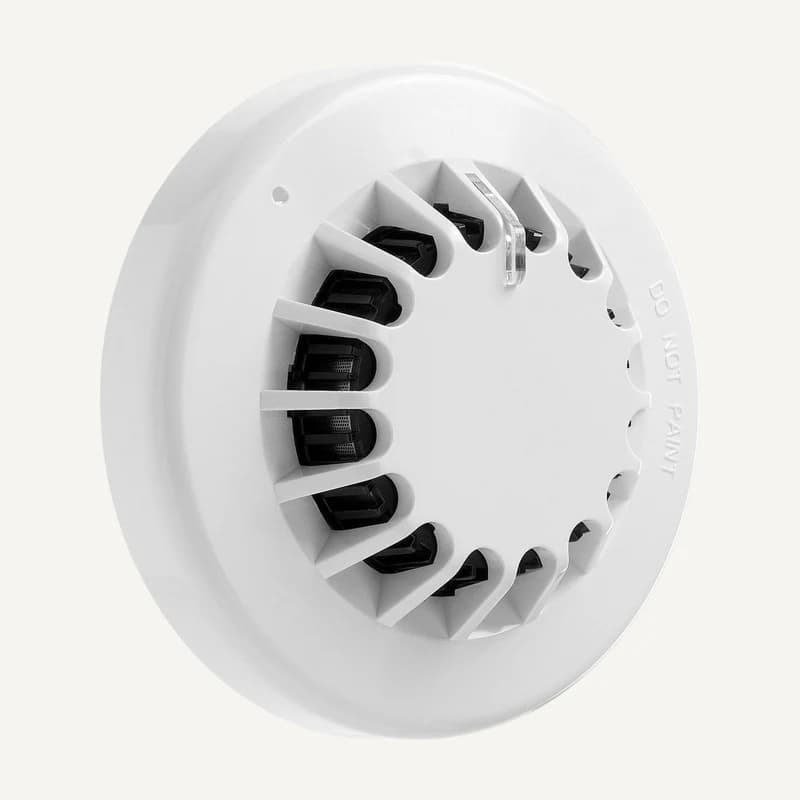 ↗
↗Optical smoke detector for a compatible fire detection installation.
Professional terms after sign-in
Availability: On request
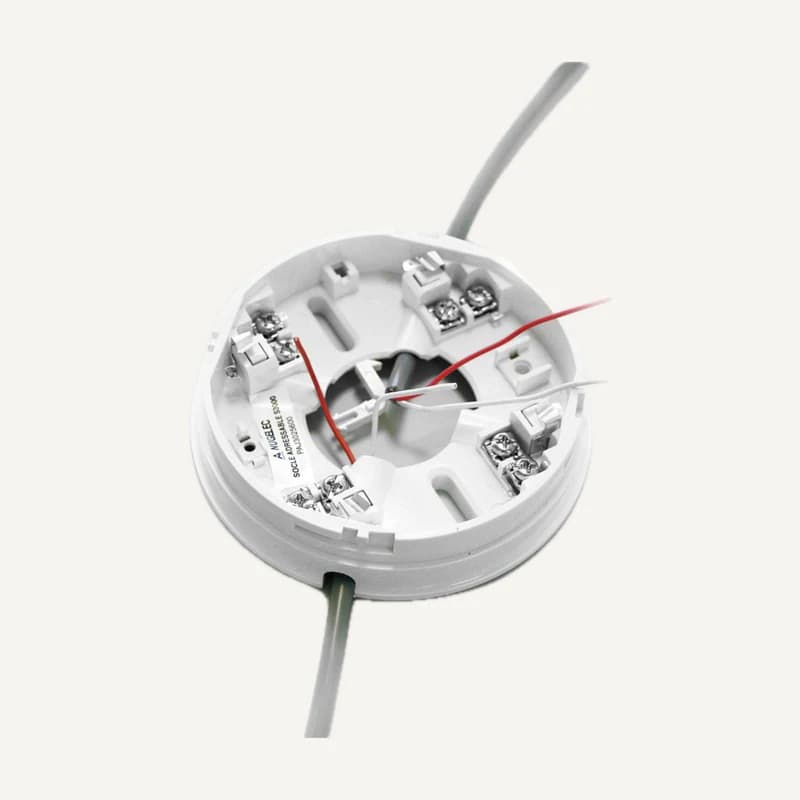 ↗
↗Mounting and connection interface for a compatible detector.
Professional terms after sign-in
Availability: On request