
INOVEXIA / PRACTICAL GUIDES
Clear ideas. Coherent systems.
Observe the site, ask useful questions and prepare a workable brief. Methods, examples and checklists to move through each stage.
26 guides · 5 topics · French, English and Arabic
Prepare and hand over
From the first site brief to the operator’s handover file.
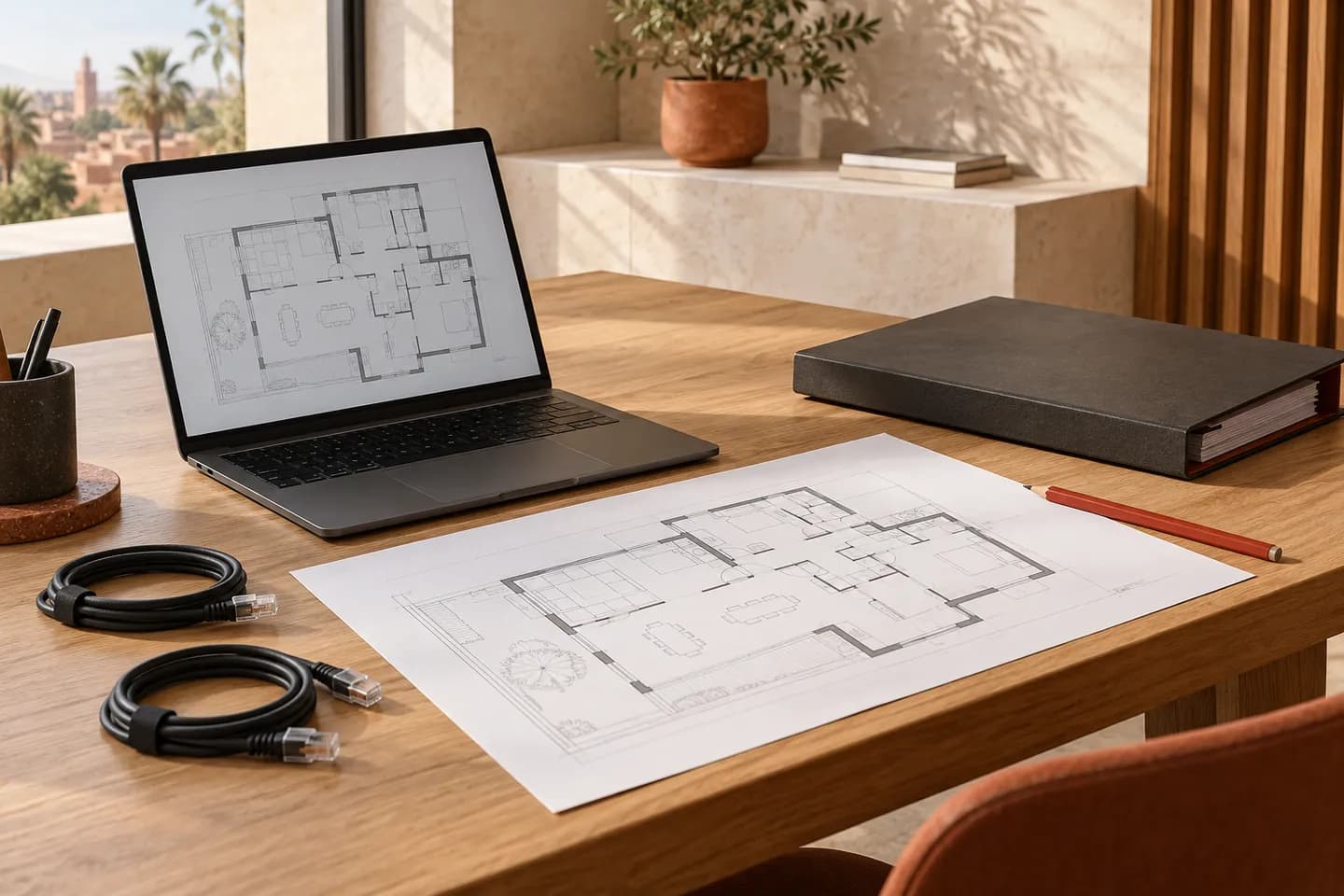
A good project starts on site.
Prepare a useful visit, link each observation to a zone and hand over unknowns without treating them as facts. A site-brief method to frame design and quotation work.
Open guide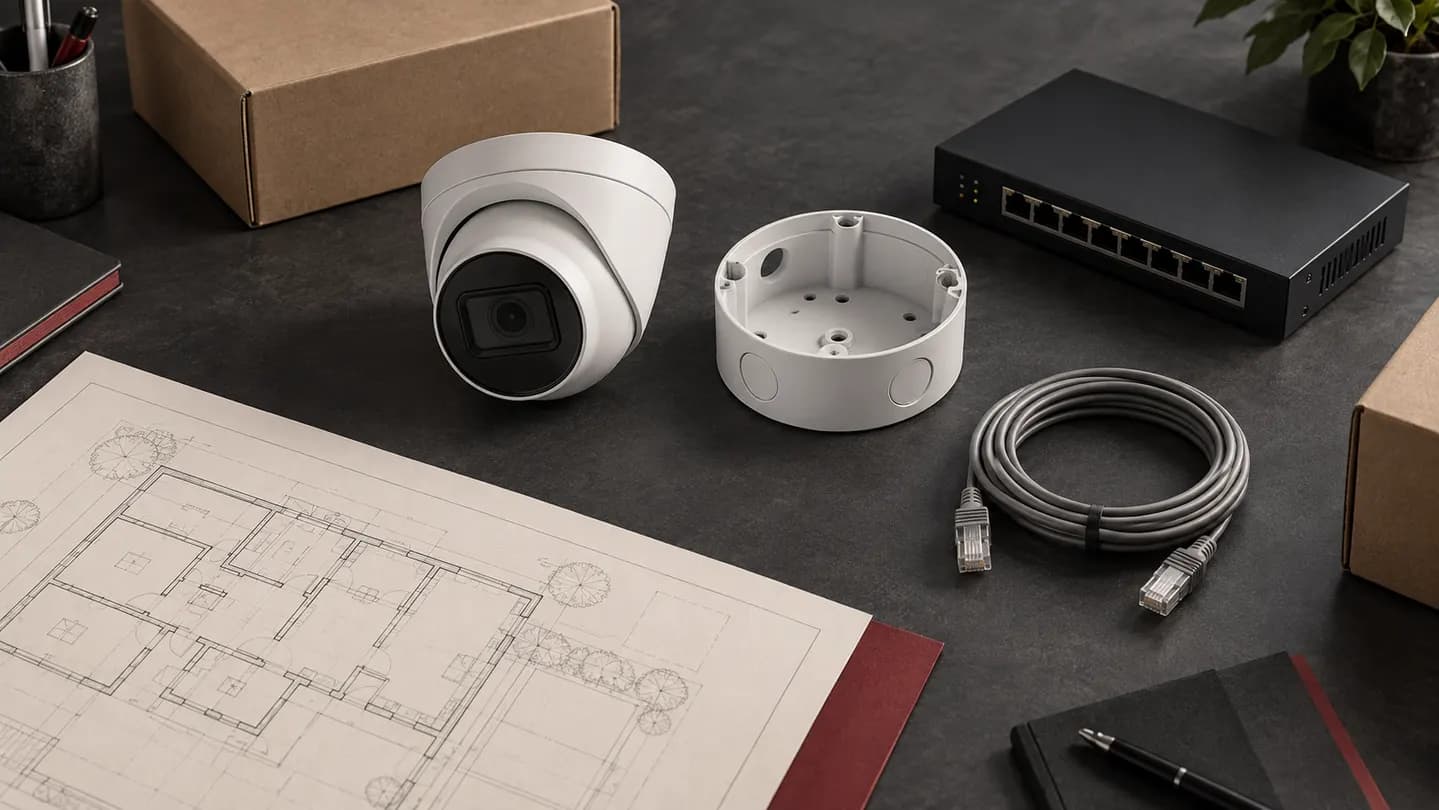
A clear list. A better quotation brief.
Turn a technical need into explicit references, quantities and questions. Prepare the CSV import, retain the right version and distinguish a saved project, a submitted request and a commercial agreement.
Open guideCompare the scope. Clarify the choice.
Put offers on a common basis: functions, quantities, services, options and deliverables. Identify differences before comparing totals, and ask the questions that unblock a decision.
Open guide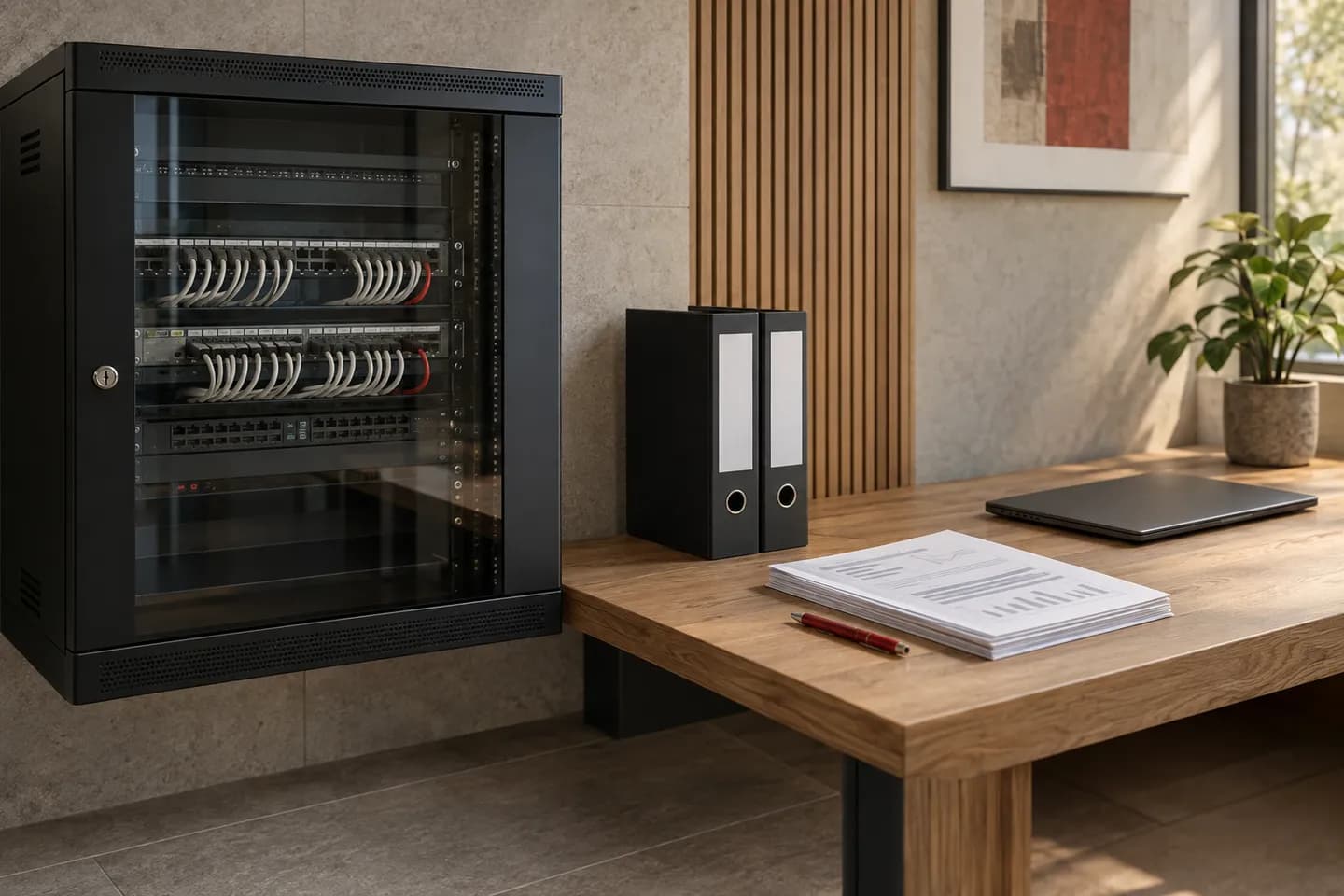
Hand over the system. Keep it manageable.
Prepare a pack that makes the installation understandable, usable and maintainable. Connect tested functions, outstanding issues, documents, backups and responsibilities without confusing a demonstration with complete acceptance.
Open guideNetworks and infrastructure
Connect usage, links and technical capacity planning.
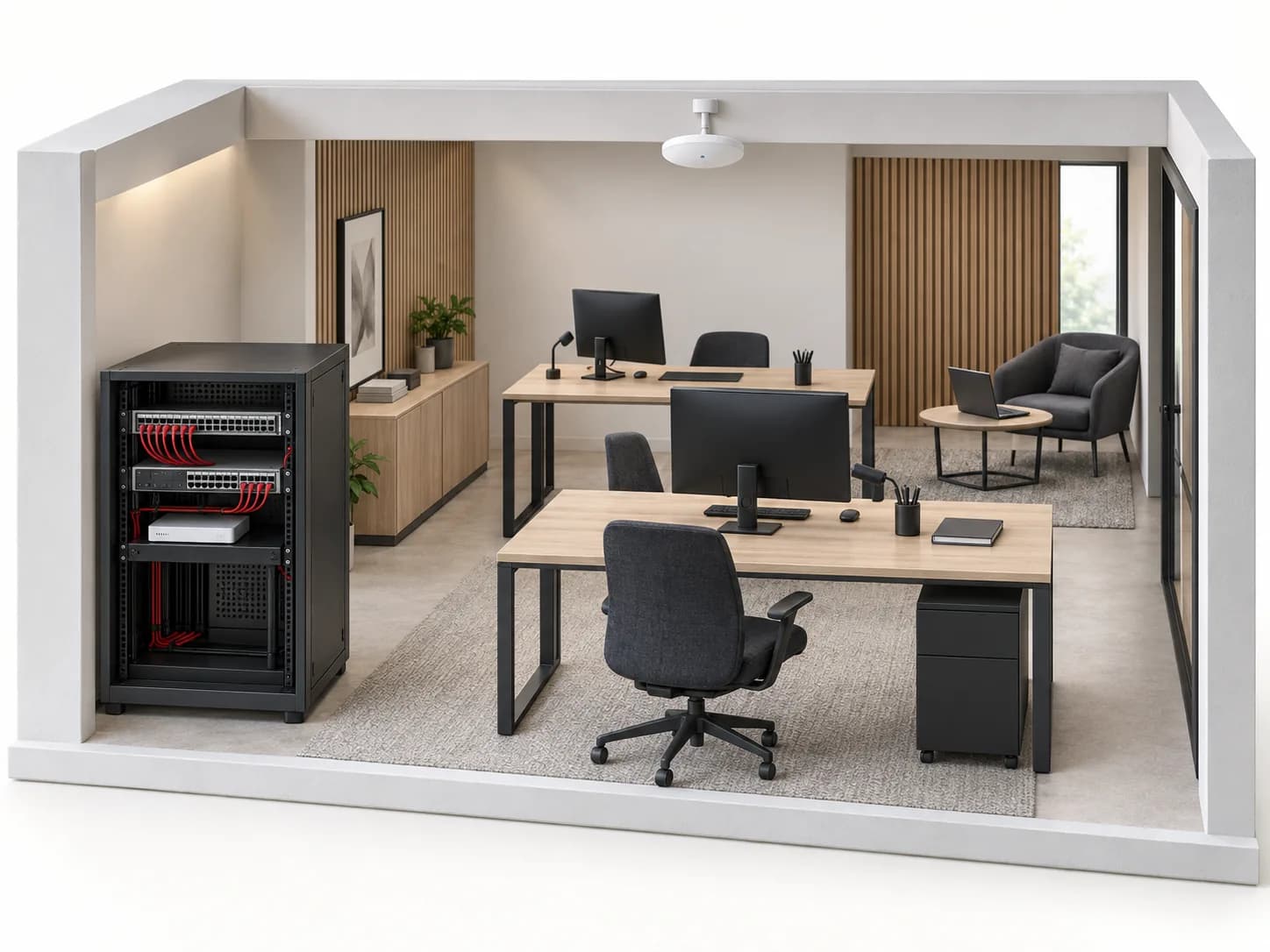
Plan a network around tasks, not just access points.
From site survey to acceptance checks: prepare devices, links, permissions and evidence needed to request suitable equipment.
Open guideEnough ports. Enough power. In the right place.
Separate compatibility, per-port limits, total budget and endpoint consumption. Prepare a verifiable allocation for cameras, access points and intercoms.
Open guideChoose the functions. Plan who will manage them.
Ports, uplinks, VLANs, power and operations: turn a socket count into verifiable requirements for your professional network.
Open guide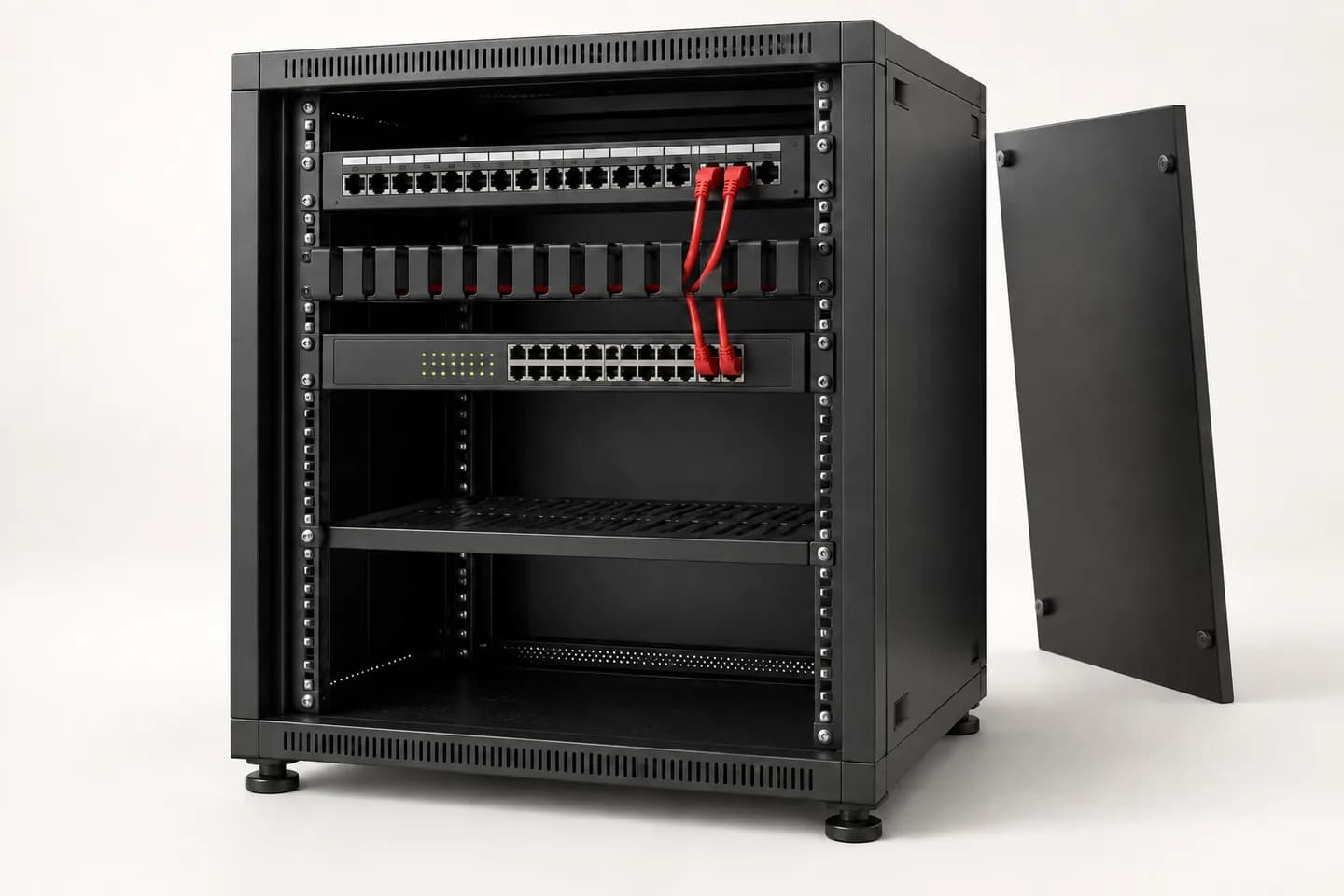
One link. Two endpoints. Every compatibility check.
Connect the installed medium, modules and their host equipment. Prepare an optical-link brief that checks more than connector shape or advertised reach.
Open guideEvery socket has a path. Every device has its place.
Prepare a socket plan, patching schedule and rack layout. Connect labels to test results for an infrastructure that can be understood and extended.
Open guide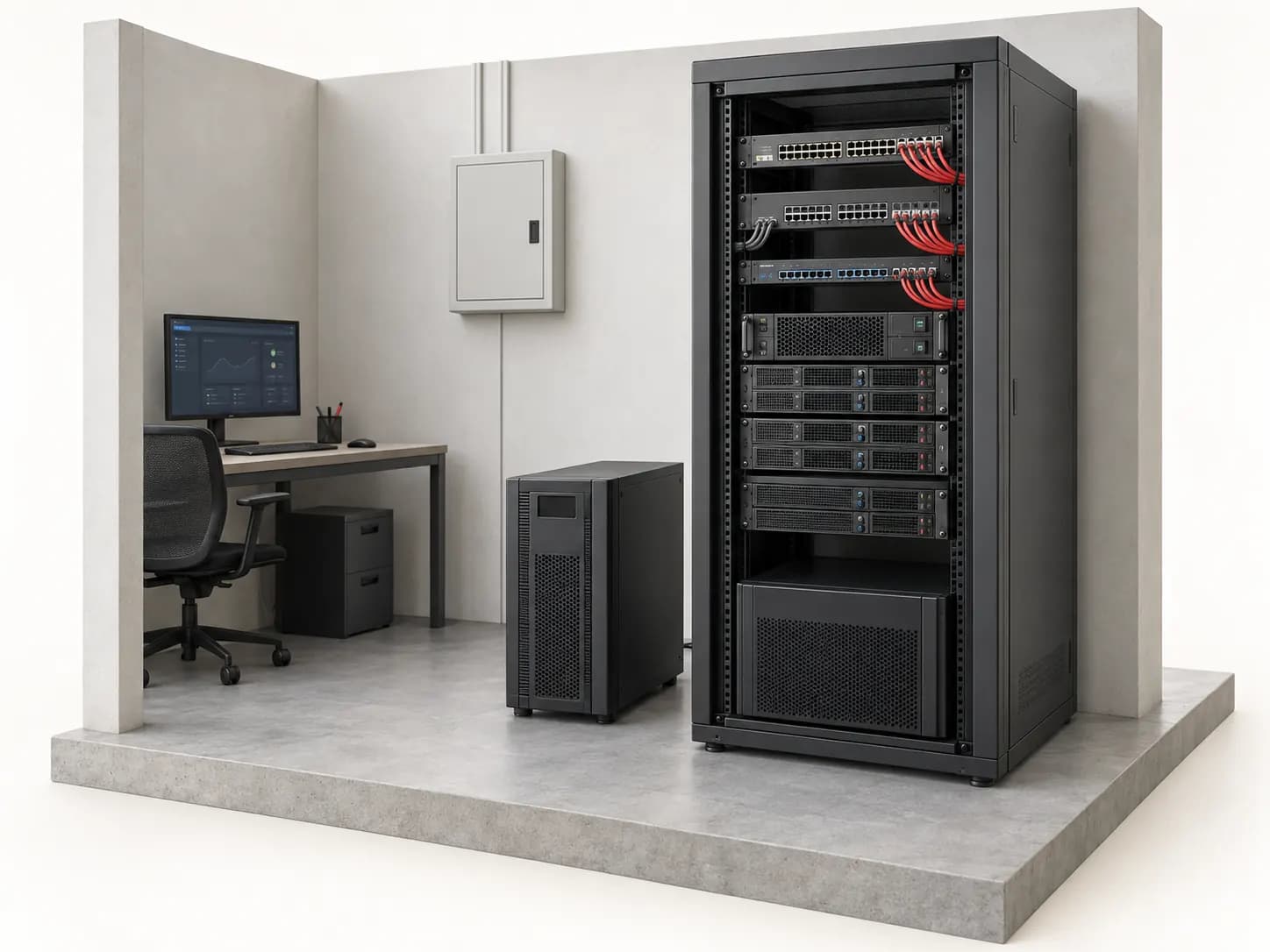
Keep a function working, not just a socket powered.
Identify essential loads, dependencies and required time. Prepare a UPS brief without confusing capacity, battery runtime and service availability.
Open guideSecurity and access
Define expected functions and the checks to plan.
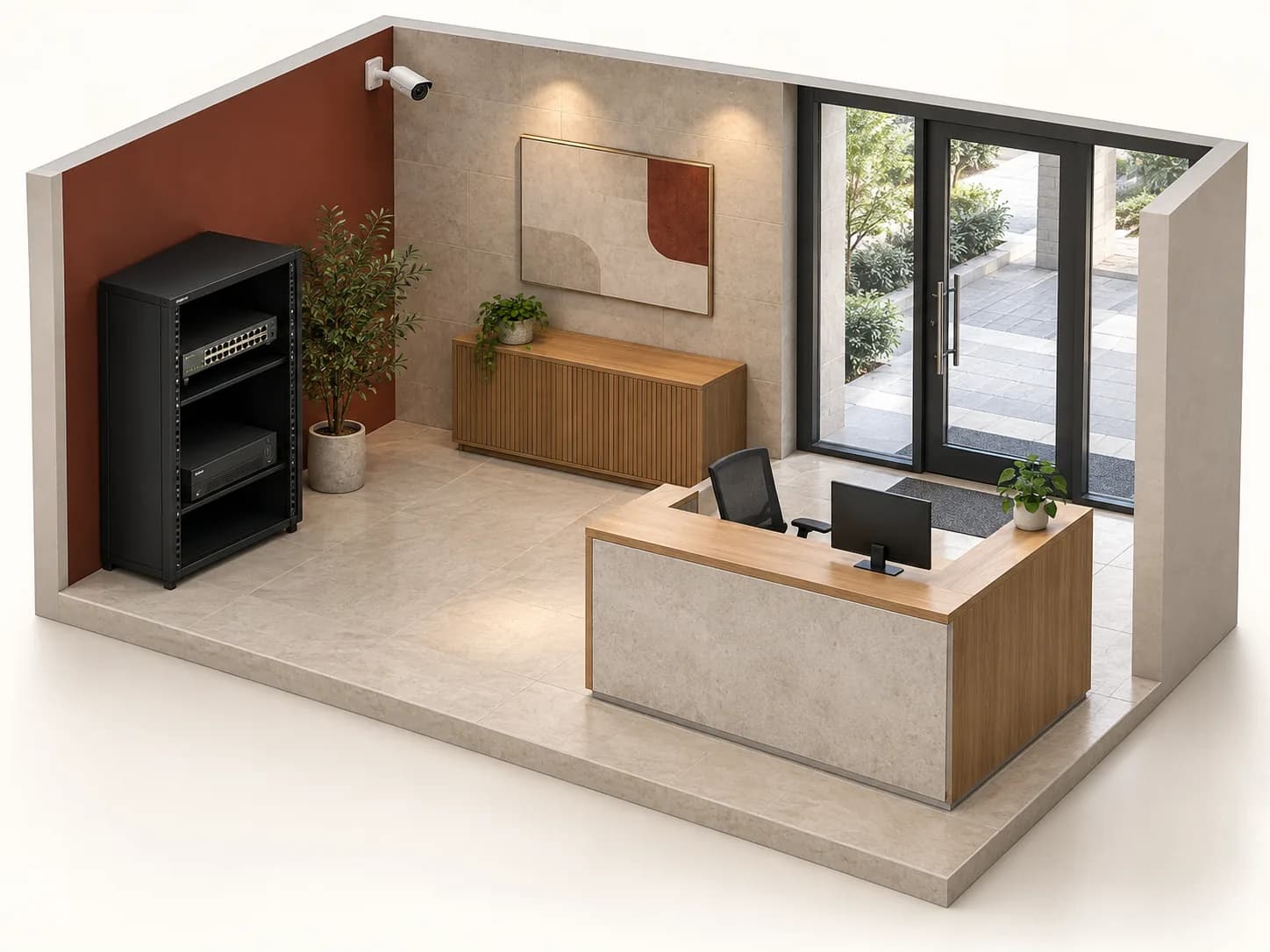
From site plan to a precise quotation brief.
Seven steps to define requirements, document zones, plan recording and hand over an equipment list without hidden assumptions.
Open guideChoose the framing before the megapixels.
Dome, bullet, PTZ or panoramic: connect the camera form, lens and scene to the detail you actually need to see.
Open guideA bright image is not always a useful image.
Low light, backlight, motion and infrared: prepare a test of the detail you need, not just how the screen looks.
Open guideCalculate the volume. Verify what will be retained.
Turn streams and schedules into an explicit estimate. Separate video volume, usable capacity, actual recording and permitted retention before choosing storage.
Open guide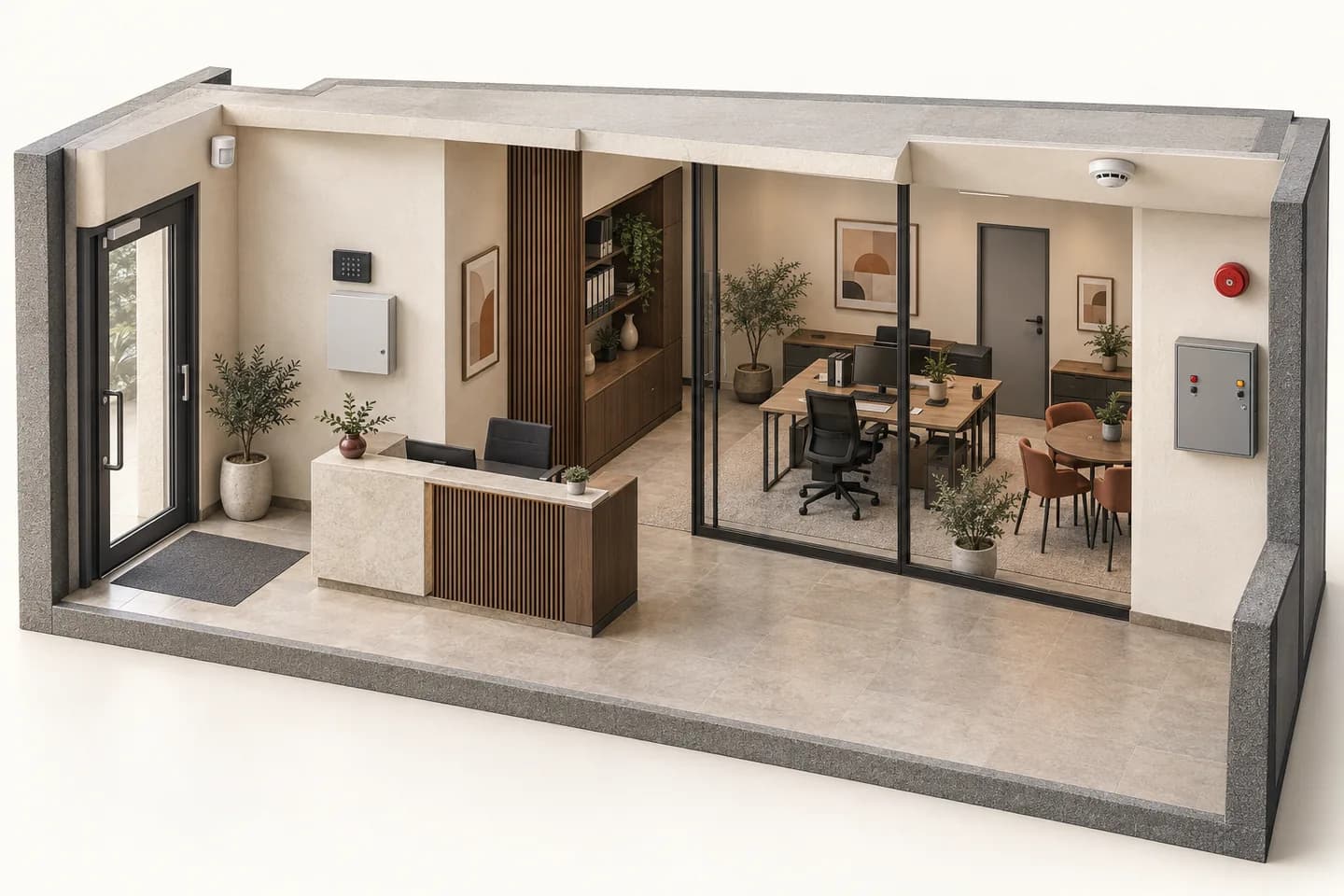
Wired or wireless: let the site inform the choice.
Compare cable routes, radio links, power and maintenance. Prepare a verifiable architecture rather than choosing on installation convenience alone.
Open guideAn event must identify the right place.
Distinguish contacts, detectors, zones and partitions. Prepare a schedule connecting each point to building use, expected states and acceptance evidence.
Open guideLocate the event. Understand the architecture.
Conventional or addressable: compare identification, associated equipment and operating needs. Prepare the information needed for specialist design without confusing panel selection with system approval.
Open guide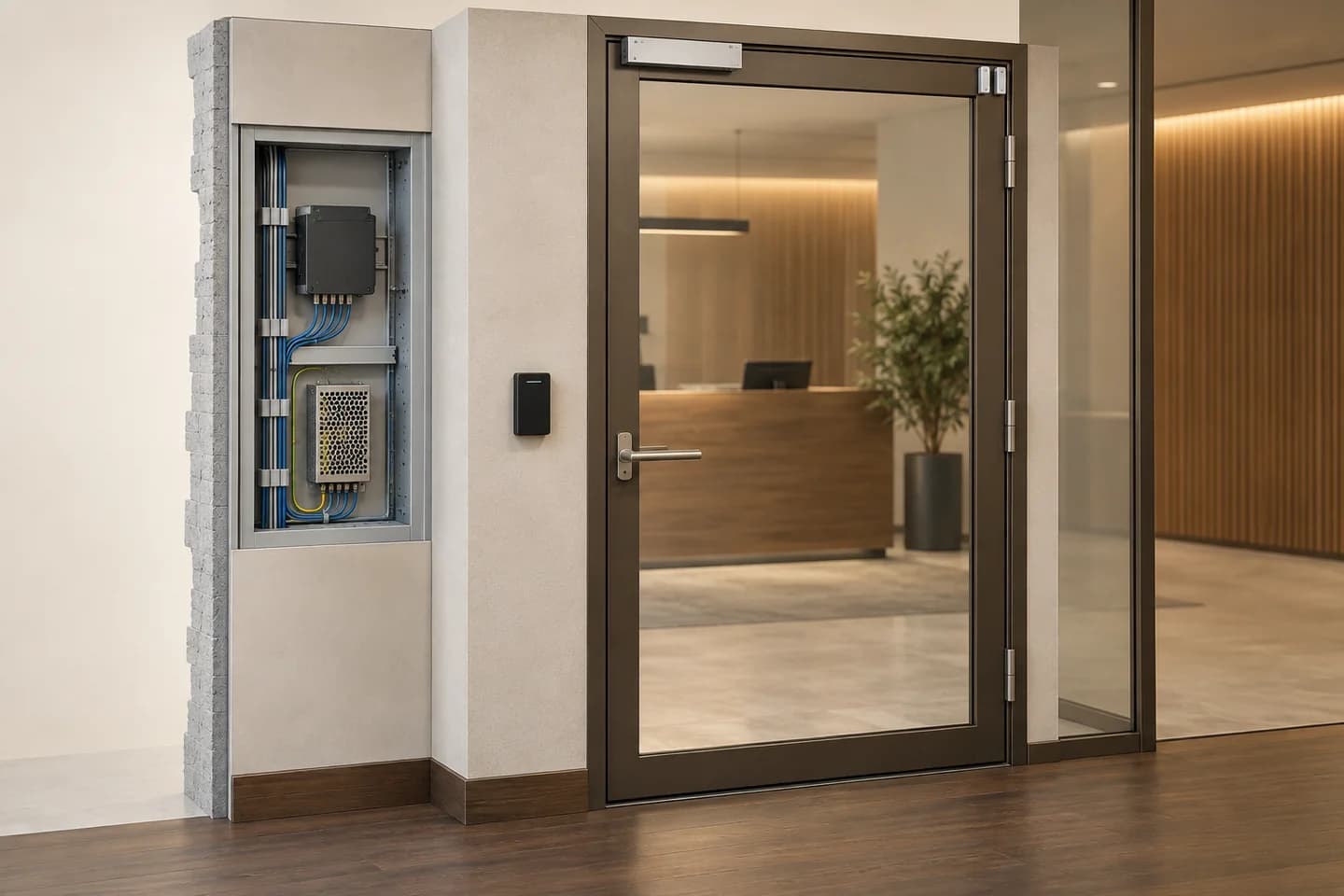
One record per door. Permissions for each use.
Prepare entrances, user profiles and expected responses before selecting readers, controllers and intercoms. A call, an authorisation and an open door are different facts.
Open guideIntercom: start with the site, not the cable.
Two-wire bus, Ethernet, indoor station or app: compare dependencies across the whole chain. Record entrances, recipients and functions before selecting equipment.
Open guideAudio, meetings and displays
Follow the signal and plan the experience in each zone.
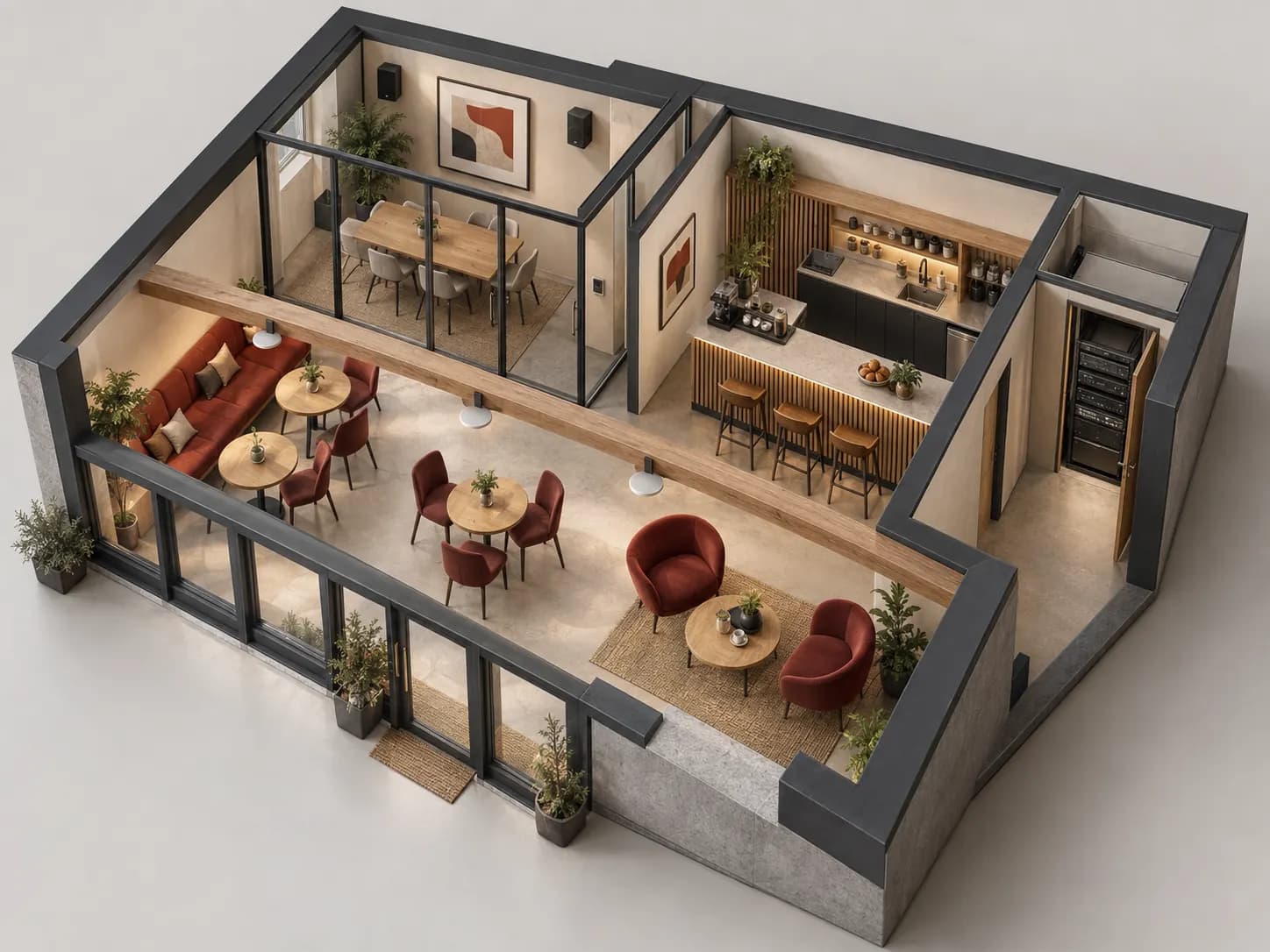
Clear sources, zones and everyday uses.
Prepare sources, controls and constraints for every space. A speaker list becomes a project when it explains who hears what, where and how.
Open guideEvery speaker. Every output. The right load.
Low impedance or 70/100 V line: prepare a load schedule per output, not one wattage total for the building. Identify modes, transformer taps and limits before selecting the amplifier.
Open guide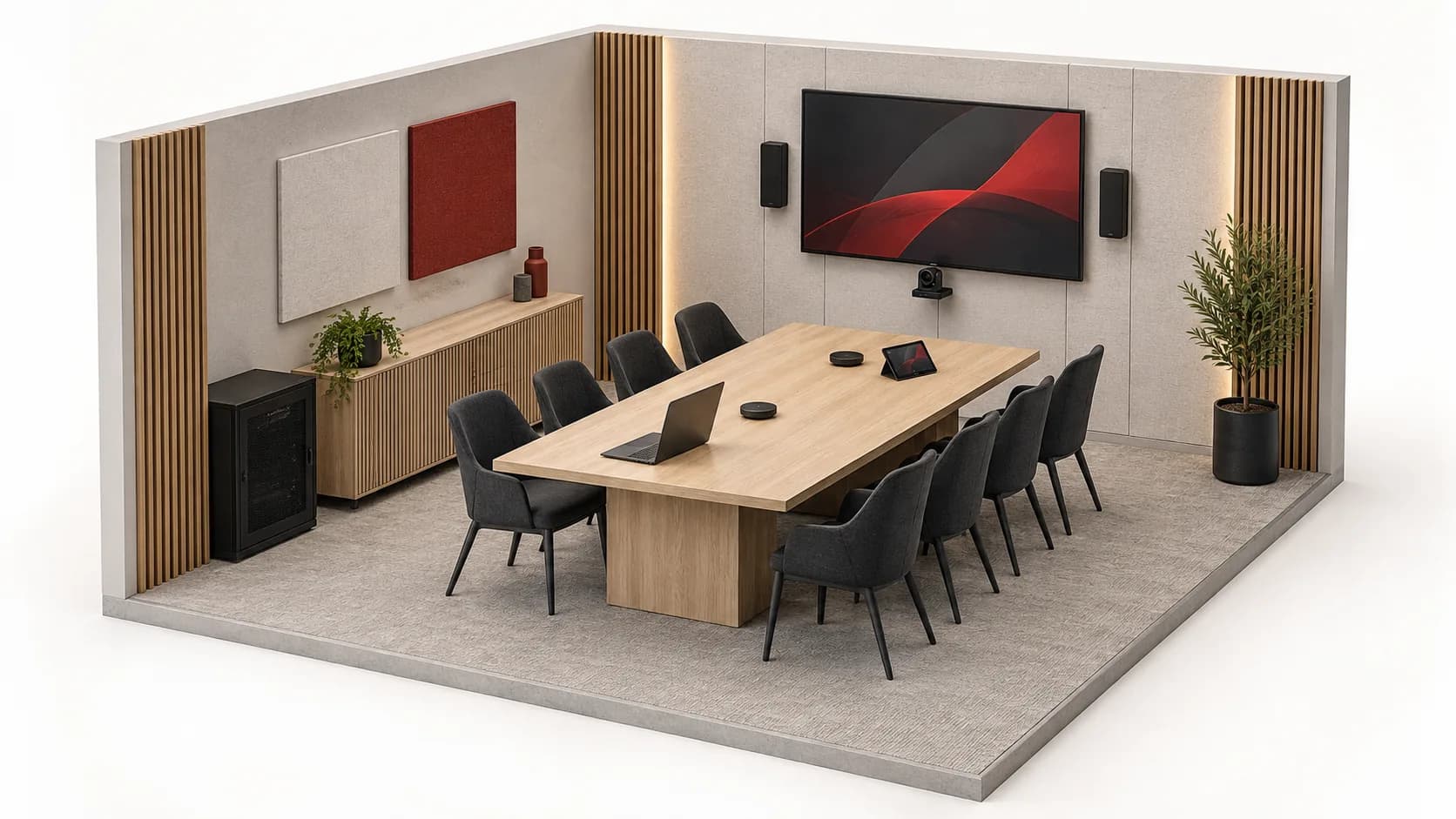
In the room. Remotely. The same meeting.
Trace speech, remote playback, camera and content sharing separately. Prepare an audiovisual chain whose functions can each be checked from the right end of the call.
Open guideThe right source. The right screen. The right format.
Build a source-and-destination matrix, then qualify every path. Keep resolution, frame rate, audio, distance and content rights explicit through acceptance.
Open guideAutomation and gate systems
Start with the building, its interfaces and constraints.
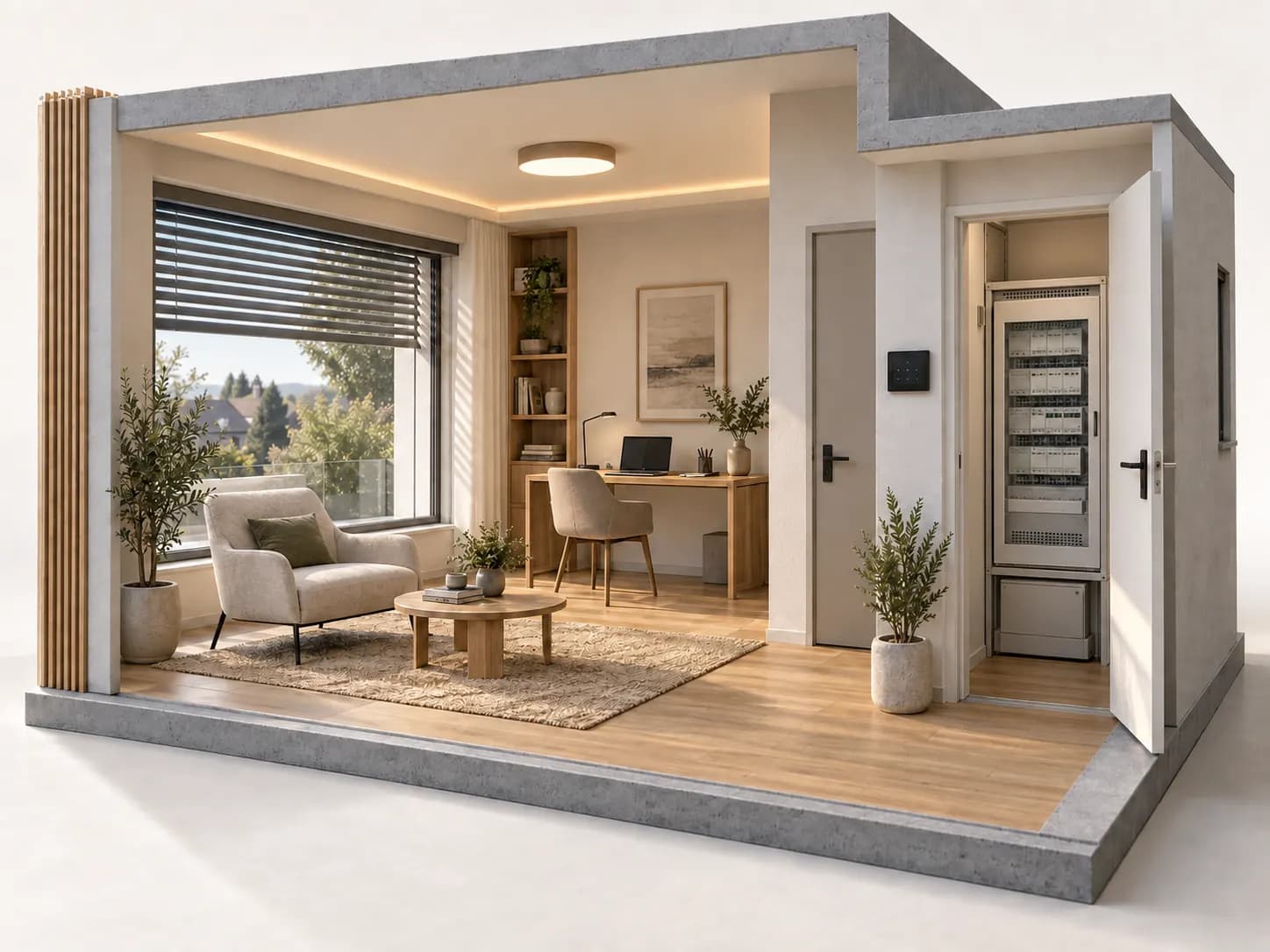
Describe behaviour before choosing the controller.
Turn daily scenes into testable rules: triggers, conditions, actions, feedback and exceptions. Plan a system that remains understandable when something does not respond.
Open guideA shared protocol. Functions still to verify.
KNX, BACnet, Modbus: compare what equipment actually exchanges. Prepare a point list with meaning, units, permissions, feedback and behaviour after communication loss.
Open guide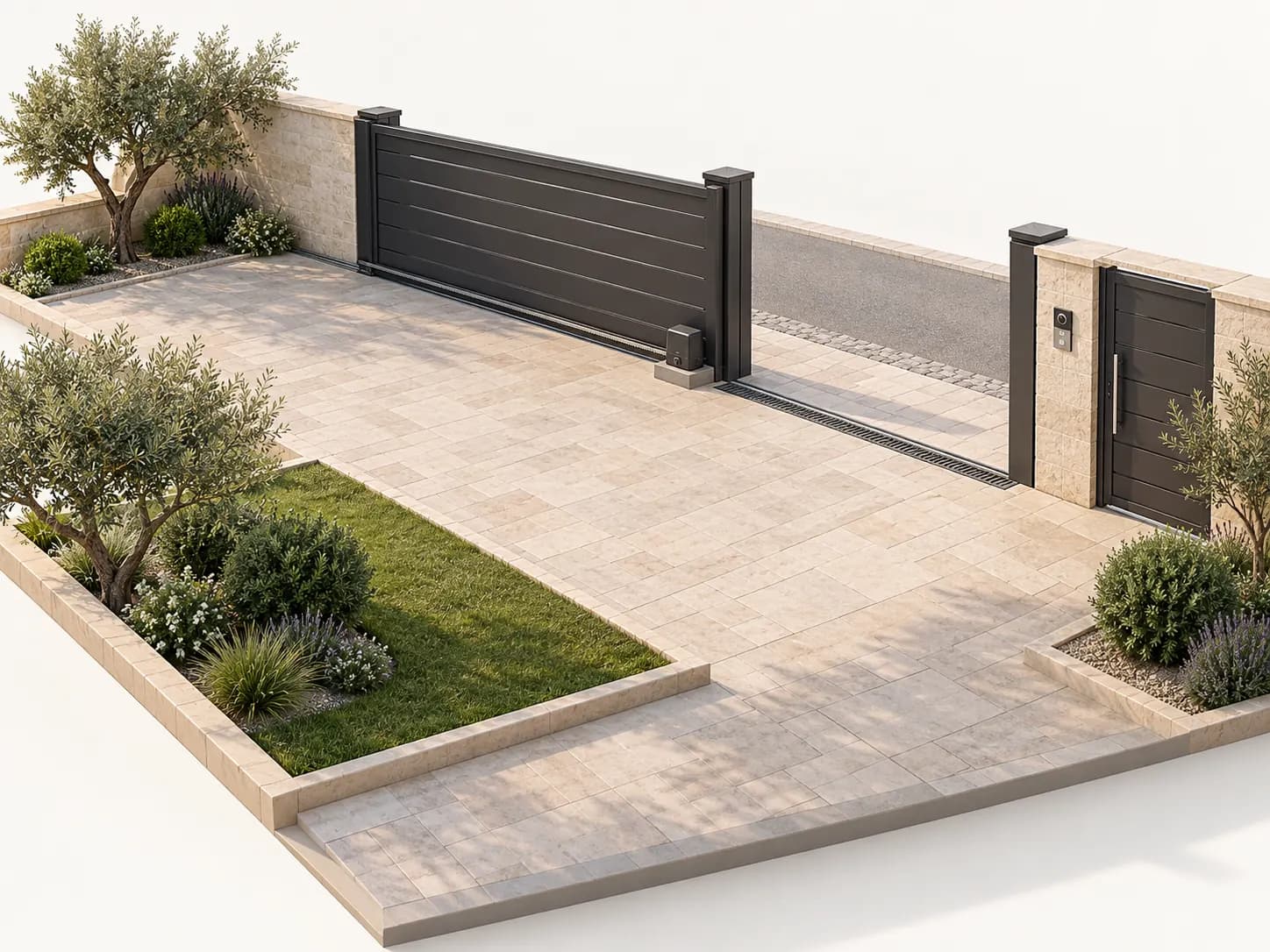
The right motor starts with the right survey.
Swing or sliding: document mechanics, use and site constraints before comparing motors. Build a useful brief for selection, safety assessment and acceptance.
Open guide